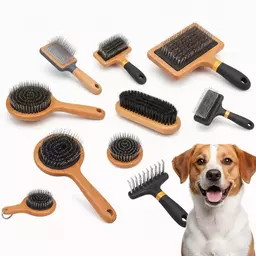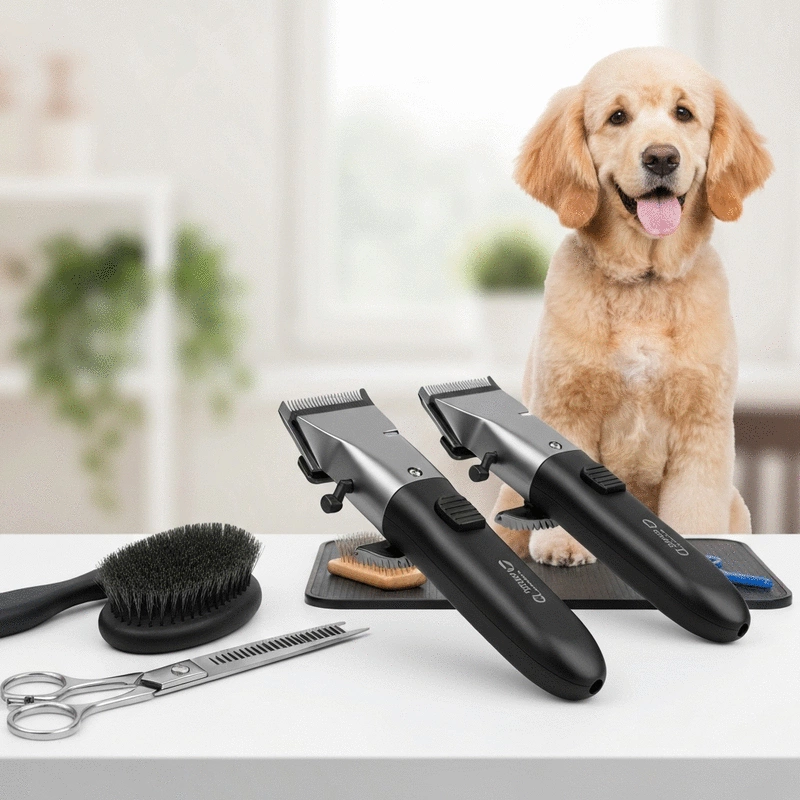

In the world of dog grooming, proper tools can make all the difference in ensuring your furry friend stays healthy and happy. Did you know that the right grooming clippers can enhance not just appearance, but also your pet's overall well-being? Let's explore the essential insights you need to make informed grooming decisions!
What You Will Learn
- Understanding different motor types in clippers helps you choose the right tool for your dog's coat.
- The importance of blade material, such as steel versus ceramic, can significantly affect grooming comfort and efficiency.
- Adjustable speed settings in clippers allow for tailored grooming based on your dog's specific needs.
- Regular grooming not only enhances appearance but also fosters a strong bond between you and your dog.
- Debunking common myths about dog grooming helps you establish a routine that's both effective and beneficial for your pet.
Dog Grooming Clippers: Mechanics, Blade Tech, and Key Features
An overview of the essential components and features that make up effective dog grooming clippers. This visual highlights how motor types, blade technology, and ergonomic design contribute to a better grooming experience. For a comprehensive guide on various grooming tools, check out our essential dog grooming tools guide.
Understanding the Core:
What Are Dog Grooming Clippers?
Specialized electric tools designed to cut through various types of dog fur efficiently, crucial for health and hygiene.
Mechanics Breakdown:
Motor Types & Blade Movement
- Rotary (powerful, fast) vs. Pivot (quieter) motors.
- Oscillating blades for clean, tug-free cuts.
Advanced Features:
Blade Technology & Quality
- Steel (durable) vs. Ceramic (cooler on skin) blades.
- Regular oiling and sharpening prolongs lifespan.
Enhanced Pet Care:
Key Clipper Features
- Adjustable speed settings for coat types.
- Ergonomic design reduces hand fatigue.
- Lower noise levels for dog comfort.
Responsible Practices:
Grooming Routine Tips
- Regular brushings (weekly).
- Bathing every 4-6 weeks based on needs.
- Positive reinforcement for comfort.
Understanding Dog Grooming Clippers: An Introduction to Their Mechanics
When it comes to keeping our furry friends looking their best, understanding dog grooming clippers is essential. These tools are not just about aesthetics; they play a crucial role in maintaining your dog's overall health and hygiene. So, what exactly are dog grooming clippers, and how do they work? Let's dive in!
What Are Dog Grooming Clippers and How Do They Work?
Dog grooming clippers are specialized electric tools designed to cut through various types of dog fur efficiently. Unlike regular hair clippers, they are equipped with blades that can handle the unique texture and thickness of different dog coats. At The Dog Bath Authority, we believe that understanding your tools is key to effective grooming!
- Motor Types: Most clippers utilize a rotary or pivot motor. Rotary motors are powerful and faster, ideal for heavy coats, while pivot motors are quieter and more suited for lighter grooming tasks.
- Blade Movement: Clippers work by oscillating the blades back and forth, which allows for a clean cut without pulling or tugging the hair. This is especially important for your dog's comfort!
- Power Sources: Clippers can be corded or cordless; each has its pros and cons. Cordless clippers offer freedom of movement, while corded ones provide consistent power.
By familiarizing yourself with how dog grooming clippers operate, you can make informed choices about which tools will best suit your pet's grooming needs.
The Role of Blade Technology in Dog Grooming Clippers
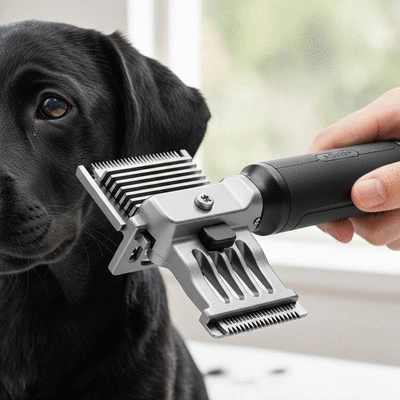
Blade technology is one of the most critical components of dog grooming clippers. The right blade can enhance performance and ensure your dog's comfort during grooming. For instance, high-quality steel blades are durable and maintain sharpness, while ceramic blades run cooler, reducing the risk of heat-related issues. Understanding the science behind your dog's coat can help you make better grooming decisions, so be sure to read about coat structure and dog grooming.
- Material Matters: Steel blades typically last longer, but ceramic blades can be gentler on your dog's skin.
- Maintenance: Regularly oiling and sharpening your blades will prolong their lifespan and performance.
- Compatibility: Not all blades fit all clippers, so it's essential to check compatibility when purchasing replacements.
Understanding blade technology helps you choose clippers that will provide the best grooming experience for both you and your dog.
Key Features of High-Quality Clippers to Enhance Pet Care
When shopping for dog grooming clippers, several features can significantly impact your grooming experience. Here are some key features to look for that can enhance your pet care routine:
- Adjustable Speed Settings: Having multiple speed options allows you to tackle different coat types and lengths.
- Ergonomic Design: A lightweight and comfortable grip reduces hand fatigue, especially during longer grooming sessions.
- Noise Level: Lower noise clippers can be less stressful for your dog, making them more cooperative during grooming.
Choosing high-quality dog grooming clippers with these features can transform grooming from a chore into a pleasant bonding experience for both you and your pet!
Pro Tip
Did you know? Regularly checking your dog’s coat and skin during grooming can help you spot potential health issues early. Look for lumps, bumps, or areas of irritation, as addressing these concerns promptly can lead to better health outcomes for your furry friend.
Frequently Asked Questions About Dog Grooming Clippers
Q: What are the main types of motors in dog grooming clippers?
A: Dog grooming clippers primarily use rotary or pivot motors. Rotary motors are powerful and fast, suitable for dense coats, while pivot motors are quieter and better for lighter grooming tasks.
Q: What's the difference between steel and ceramic blades?
A: Steel blades are durable and maintain sharpness well, making them long-lasting. Ceramic blades run cooler, which reduces the risk of heat buildup and skin irritation during grooming.
Q: Why are adjustable speed settings important for dog clippers?
A: Adjustable speed settings allow you to tailor the clipper's performance to different coat types and lengths. This helps in achieving a clean cut, preventing tugging, and ensuring your dog's comfort.
Q: How often should I groom my dog?
A: Regular grooming depends on your dog's coat type. Weekly brushings are typically recommended, and bathing every 4 to 6 weeks. Always check for irritations and use positive reinforcement to make grooming a pleasant experience.
Q: Can I groom my dog at home, or do I need a professional?
A: While professional groomers offer expert care, home grooming is entirely possible and rewarding with the right tools and techniques. Understanding your clippers and your dog's needs is key to successful home grooming.
Summarizing the Key Insights on Dog Grooming Clippers
As we wrap up our exploration of dog grooming clippers, it’s essential to reflect on the key features and technologies that can make a significant difference in your grooming routine. Whether you’re a seasoned groomer or a first-time pet owner, understanding what to look for can enhance your dog’s grooming experience and overall health.
Here’s a quick recap of the essential elements to consider:
- Blade Quality: Opt for high-quality steel or ceramic blades that provide a smooth cut and minimize irritation.
- Motor Power: Choose clippers with sufficient power to handle your dog’s coat type, ensuring efficiency and comfort.
- Ergonomic Design: Look for clippers that are easy to handle to reduce wrist strain during grooming sessions.
- Noise Level: Selecting quieter models can help keep your pet calm and relaxed throughout the grooming process.
By keeping these features in mind, you can significantly improve your dog’s grooming experience and maintain their coat health!
Encouraging Responsible Grooming Practices for Pet Owners
At The Dog Bath Authority, we believe that responsible grooming is key to your dog's health and happiness. Regular grooming doesn’t just keep your dog looking great; it also allows you to monitor their skin and coat for any potential issues. Establishing a routine can help you bond with your pet and make grooming a positive experience!
Here are some responsible grooming practices to adopt:
- Regular Brushings: Depending on your dog’s coat type, aim for at least once a week.
- Bathing Schedule: Bathe your dog based on their breed’s needs, typically every 4 to 6 weeks. For detailed instructions, see our article on dog bathing techniques for all coats.
- Check for Irritations: Always inspect your dog’s skin for any signs of discomfort or problems while grooming.
- Positive Reinforcement: Use treats and praise to make grooming a fun experience!
By implementing these practices, you can ensure that grooming is not just a chore but a delightful bonding time with your furry companion!
Common Dog Grooming Myths: Debunking Misconceptions
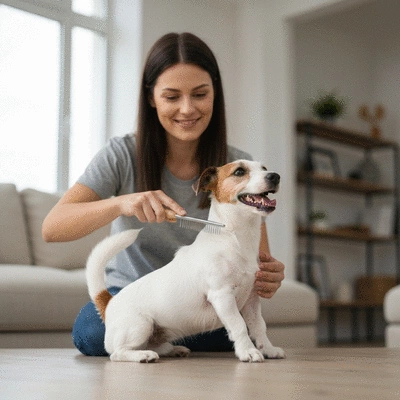
As a grooming expert, I often encounter several myths that can mislead pet owners. Let’s clear up a few misconceptions to help you make informed decisions about your dog’s grooming needs.
- Myth 1: "All dogs need to be bathed weekly." - Not true! The frequency of bathing should be tailored to your dog's coat and skin type.
- Myth 2: "Grooming is only for show dogs." - Regular grooming is essential for all dogs, regardless of breed or purpose.
- Myth 3: "Dogs clean themselves, so they don’t need grooming." - While dogs may clean themselves, grooming is crucial for their health, including skin and coat care. For more on maintaining healthy skin, explore skin microbiome and dog coat health.
- Myth 4: "You can’t groom a dog at home." - With the right tools and techniques, home grooming can be effective and rewarding!
By debunking these myths, you can approach your dog’s grooming routine with confidence and clarity!
Recap of Key Points
Here is a quick recap of the important points discussed in the article:
- Blade Quality: Choose high-quality steel or ceramic blades for a smooth cut and to minimize irritation.
- Motor Power: Select clippers with sufficient motor power to efficiently handle your dog’s coat type.
- Ergonomic Design: Opt for clippers that are easy to handle to reduce wrist strain during grooming sessions.
- Noise Level: Pick quieter models to help keep your pet calm during grooming.
- Regular Grooming: Establish a routine that includes regular brushings and inspections for skin irritations.
- Positive Reinforcement: Use treats and praise to make grooming a fun and enjoyable experience for your dog!