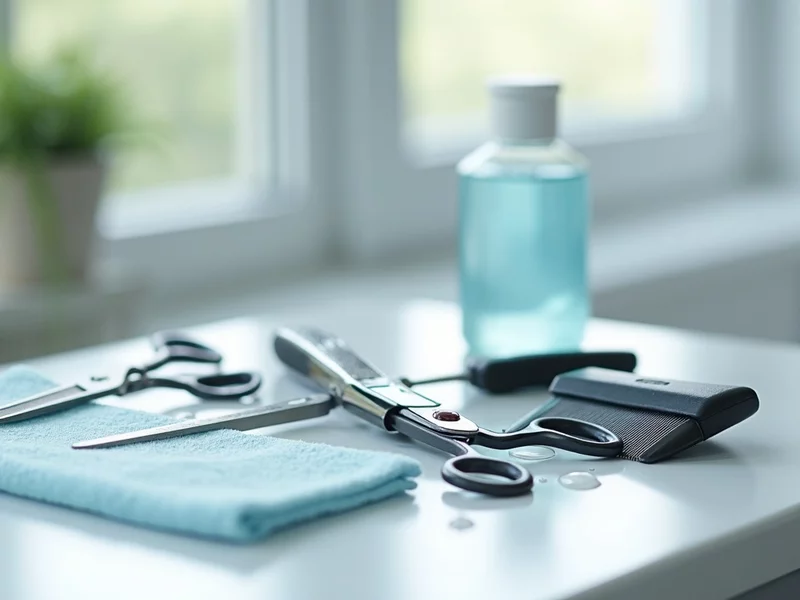
When considering the grooming of your dog, have you ever thought about the tools you use? Just like your furry friend, these tools require attention and care to ensure their effectiveness and your dog's comfort.
What You Will Learn
- Regular maintenance of grooming tools enhances their effectiveness and prolongs their lifespan.
- Keeping tools clean prevents potential health issues for your dog, such as skin irritations.
- Properly maintained tools lead to safer and more enjoyable grooming sessions for pets.
- Establishing a maintenance checklist is essential for tracking the condition of your grooming equipment.
- Knowing when to seek professional help ensures optimal performance of specialized grooming tools.
- Adopting essential hygiene practices significantly improves the overall health of your dog's skin and coat.
Grooming Tool Maintenance: Key Areas & Best Practices
Maintaining grooming tools is crucial for pet hygiene, tool longevity, and effective grooming sessions. This visual outlines the key aspects of proper care.
Longevity & Hygiene Benefits
- Extends tool lifespan
- Prevents pet health issues
- Enhances grooming effectiveness
- Improves pet comfort
Essential Hygiene Practices
- Clean brushes after use
- Sanitize scissors
- Inspect clippers for hair
- Use dog-safe disinfectants
Personalized Maintenance Checklist
- Inspect tools for damage
- Oil clipper blades regularly
- Sharpen scissors as needed
- Store tools safely
When to DIY vs. Seek Professional Help
- DIY: Routine cleaning, lubrication
- Pro Help: Overheating clippers
- Pro Help: Dull blades
- Pro Help: Specialized repairs
Understanding the Importance of Dog Grooming Tool Maintenance
At The Dog Bath Authority, I believe that proper maintenance of grooming tools is essential for both the longevity of the equipment and the hygiene of your beloved dog. Just like our furry friends need regular grooming to stay healthy, our grooming tools also require attention. Neglecting to care for your grooming tools can lead to less effective grooming sessions and, ultimately, discomfort for your pet!
When we think about dog grooming, we often focus on the techniques and products used during a bath or trim. However, it's crucial to recognize that the tools we use play a significant role in achieving optimal results. By understanding the importance of maintaining these tools, we can ensure a safer and more enjoyable grooming experience for our pets. For a comprehensive guide on various grooming tools, check out our article on essential dog grooming tools.
Why Regular Maintenance Matters for Longevity and Hygiene
Regular maintenance of grooming tools helps to extend their lifespan and keep them functioning properly. Properly cared-for tools are less likely to break or become ineffective, which can save you money in the long run. Moreover, maintaining hygiene is vital, as dirty tools can harbor bacteria and dirt that may irritate your dog's skin during grooming sessions.
- Enhances the effectiveness of grooming.
- Prevents potential health issues for your dog.
- Increases the longevity of your tools.
- Improves overall grooming experience for both you and your pet.
Maintaining your tools not only protects your dog's health but also fosters a positive grooming routine. When tools are clean and well-maintained, the grooming process can be smoother, making it less stressful for your furry friend!
Key Benefits of Proper Grooming Equipment Care
Caring for your grooming equipment yields numerous benefits, both for your dog's health and your convenience. For instance, clean and sharp blades provide a more precise cut, reducing the chances of pulling on your dog's fur, which can be uncomfortable. Plus, when your tools are in good condition, grooming becomes quicker and more efficient.
- Safer and more enjoyable grooming sessions.
- Better results with less effort.
- Increased trust and cooperation from your dog during grooming.
Ultimately, a few simple steps in maintenance can lead to a happier grooming experience for everyone involved. I always remind fellow dog owners to take pride in their grooming tools—they are an investment in your pet's health!
Essential Grooming Hygiene Practices for Pet Owners
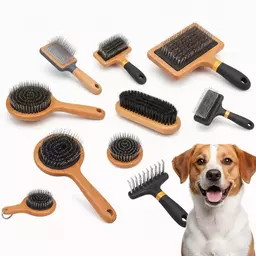
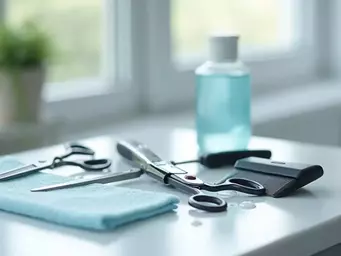
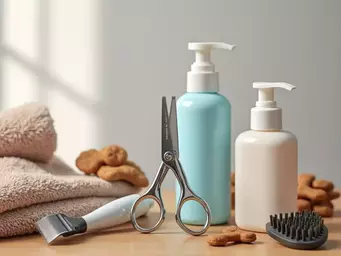
As responsible pet owners, we must adopt essential grooming hygiene practices to ensure that our tools remain safe and effective. Start by regularly cleaning your brushes, combs, and scissors after each use. This helps to remove hair, dirt, and any potential contaminants that may have accumulated during grooming. For further reading on maintaining a healthy coat, consider our article on skin microbiome and dog coat health.
- Clean brushes and combs with warm, soapy water.
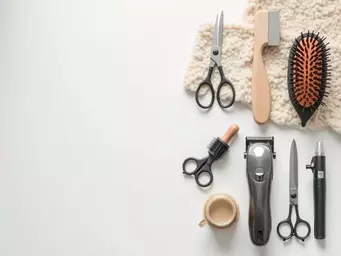
- Sanitize scissors and shears with alcohol wipes.
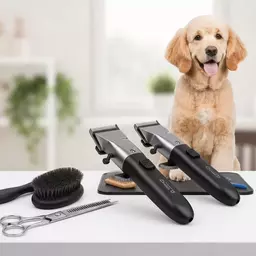
- Inspect clippers after each use for any hair buildup.
By incorporating these simple hygiene practices into your routine, you can significantly improve the health of your dog’s skin and coat. Regular attention to grooming tools not only supports their effectiveness but also promotes a cleaner, healthier grooming environment!
Pro Tip
To enhance the effectiveness of your grooming sessions, consider investing in high-quality grooming tools. Not only do they provide better results, but they also make the maintenance process easier. Regularly check the condition of your tools, and don't hesitate to replace any that show signs of wear and tear. Your dog deserves the best care possible!
Summarizing Effective Techniques for Grooming Tool Maintenance
As a passionate advocate for canine grooming, I've learned that maintaining your grooming tools is just as crucial as the actual grooming process. By keeping your tools in top condition, not only do you ensure hygiene for your furry friend, but you also extend the lifespan of your tools. Let’s dive into some effective techniques that can help you establish a personalized maintenance routine.
Creating Your Personalized Maintenance Checklist
Creating a maintenance checklist can make all the difference in how well your grooming tools perform. Here are some essential items to include:
- Inspect tools for damage or wear after each use
- Clean brushes and combs with soap and water
- Oil clipper blades regularly to prevent rust
- Sharpen scissors as needed to maintain precision
- Store tools in a dry, safe environment when not in use
By having a checklist, you can easily track the health of your grooming equipment and make necessary adjustments. This proactive approach not only saves you time in the long run but also ensures your grooming sessions remain efficient and enjoyable!
When to Seek Professional Help vs. DIY Maintenance
While many maintenance tasks can be done at home, there are times when it’s best to seek professional help. Here are some pointers on when to DIY and when to call in the experts:
- DIY: Routine cleaning and lubrication of tools can typically be handled by pet owners.
- Professional Help: If you notice persistent issues like overheating clippers or dull blades, it may be time to consult a professional.
- For specialized equipment maintenance, such as sharpening blades or repairing clippers, relying on an expert can ensure optimal performance.
Knowing when to step back and seek assistance can save you from further complications. Remember, maintaining tool hygiene is vital for both your pet’s safety and the longevity of your grooming equipment! For tips on calming your dog during grooming sessions, refer to our article on how to calm your dog for bath time.
Ensuring Hygiene and Safety for Your Pet
At The Dog Bath Authority, we understand the importance of hygiene in grooming practices. Not only does it contribute to your dog’s overall health, but it also affects the effectiveness of the tools you use. Let’s explore how to ensure both hygiene and safety during grooming.
Health Considerations for Your Dog and Equipment Longevity
Keeping your equipment clean is necessary for your dog's health and your tools' durability. Some health considerations include:
- Regularly cleaning brushes and combs to prevent the buildup of dirt and bacteria.
- Using disinfectants that are safe for dogs when cleaning your tools.
- Being aware of any skin irritations on your dog that may be related to grooming tools.
By prioritizing hygiene, you not only protect your furry friend but also safeguard the quality of your grooming tools, ensuring they last longer and perform better.
Encouraging Regular Grooming Habits for Better Pet Care
Establishing a regular grooming routine is beneficial for your dog’s health and can make grooming sessions a positive experience. Here are some tips to encourage this habit:
- Start grooming your dog at a young age to get them used to the process.
- Use treats and praise to create a positive association with grooming.
- Schedule grooming sessions regularly, based on your dog’s breed and coat type.
Regular grooming not only keeps your dog looking sharp but also strengthens the bond between you and your furry companion!
Understanding Grooming Safety Practices for Pets
Safety should always be a top priority during grooming. Here’s how you can ensure a safe grooming environment:
- Always use tools designed specifically for dogs to avoid injury.
- Keep an eye on your dog’s behavior; if they seem anxious or aggressive, take a break.
- Ensure your grooming area is free of distractions and hazards.
By following these safety practices, you can make grooming a comfortable experience for your dog, allowing them to enjoy the process while receiving the best care possible!
Frequently Asked Questions About Dog Grooming Tool Maintenance
Q: Why is regular maintenance of dog grooming tools important?
A: Regular maintenance extends the lifespan of your tools, ensures their effectiveness, prevents potential health issues for your dog by avoiding bacteria buildup, and makes grooming sessions safer and more enjoyable for your pet.
Q: What are the essential hygiene practices for grooming tools?
A: Essential practices include cleaning brushes and combs with warm, soapy water after each use, sanitizing scissors and shears with alcohol wipes, and inspecting clippers for hair buildup. Using dog-safe disinfectants is also recommended.
Q: When should I seek professional help for my grooming tools instead of doing DIY maintenance?
A: Routine cleaning and lubrication can be done at home. However, for persistent issues like overheating clippers, dull blades that need sharpening, or specialized repairs, it's best to consult a professional to ensure optimal performance and safety.
Q: How can I create a personalized maintenance checklist for my grooming tools?
A: Your checklist should include inspecting tools for damage after each use, cleaning brushes and combs with soap and water, oiling clipper blades regularly, sharpening scissors as needed, and storing tools safely in a dry environment.
Q: What are the health benefits for my dog when I maintain grooming tool hygiene?
A: Maintaining tool hygiene prevents the transfer of dirt and bacteria to your dog's skin, reducing the risk of irritation, infections, and other skin issues. It also ensures a cleaner, healthier coat and overall better skin health.
Recap of Key Points
Here is a quick recap of the important points discussed in the article:
- Regular maintenance of grooming tools enhances their effectiveness and prolongs their lifespan.
- Maintaining hygiene is crucial to prevent health issues for your dog during grooming sessions.
- Establishing a personalized maintenance checklist can streamline the care of your grooming tools.
- Know when to perform DIY maintenance and when to seek professional help for your tools.
- Implementing essential hygiene practices improves both the health of your dog's skin and the longevity of your equipment.