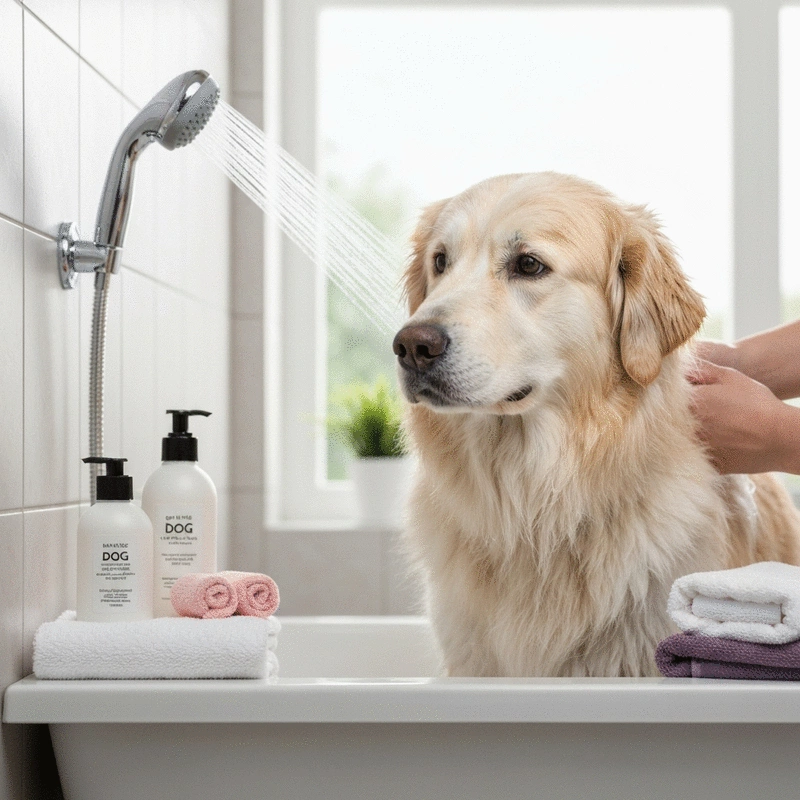

Did you know that understanding the specific grooming needs of double-coated dogs can drastically enhance their health and happiness? Proper bathing techniques tailored to their unique coat structure not only keep them clean but also prevent skin issues. Here’s what you will learn about caring for these furry companions.
What You Will Learn
- Double-coated dogs have a unique coat structure with a topcoat for protection and an undercoat for insulation.
- Regular grooming is crucial to manage seasonal shedding and maintain coat health.
- Bathing every 4-6 weeks is generally recommended, balancing cleanliness with skin health.
- Choosing the right products and techniques can ensure a stress-free grooming experience for both you and your dog.
- Common skin issues in double-coated dogs include infections, allergies, and matting, which can be prevented with proactive grooming.
Understanding the Double-Coated Dog Grooming Process
This visual outlines the essential steps and considerations for bathing double-coated dogs, focusing on frequency, common issues, and key grooming practices. For a comprehensive guide on various bathing approaches, explore different dog bathing techniques for all coats.
Unique Structure of Double-Coated Dogs
Topcoat
Longer, coarser layer; protects against elements.
Undercoat
Softer, dense layer; provides insulation.
Bathing Routine & Frequency
-
•
Recommended: Every 4-6 weeks
-
•
Too infrequent: Dirt buildup, skin issues.
-
•
Excessive bathing: Strips natural oils, dry skin.
Common Skin Issues
-
•
Skin Infections: Moisture trapped in undercoat.
-
•
Allergies: Environmental allergens accumulate.
-
•
Mats & Tangles: Lack of regular brushing.
Key Grooming Takeaways
Pre-bath Brushing
Essential to prevent matting.
Appropriate Products
Shampoos & conditioners for coat type.
Water Temperature
Lukewarm for comfort.
Avoid Over-Bathing
Balance cleanliness & skin health.
Seasonal Adjustments
Adapt frequency and techniques.
Understanding Double-Coated Dog Grooming: The Science Behind Bathing Techniques
Grooming double-coated dogs involves more than just a regular bath. These furry companions have a unique coat structure that requires special attention. Understanding the science behind double coats can significantly improve your dog’s bathing experience and overall health!
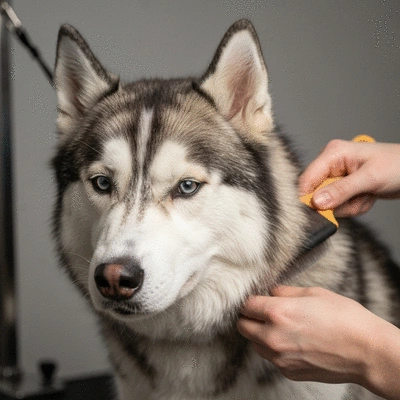
A double coat consists of two layers: the topcoat, which protects against weather elements, and the undercoat, which provides insulation and temperature regulation. This specialized structure is what helps your dog stay warm in winter and cool in summer, making it essential to groom them properly to maintain these benefits.
What Makes Double-Coated Dogs Unique?
- Topcoat: The outer layer is usually longer and coarser, serving as a shield against dirt, moisture, and pests.
- Undercoat: A softer, denser layer that traps air to keep your dog warm and regulates their body temperature.
- Seasonal Shedding: Double-coated breeds often shed heavily, particularly during seasonal changes, making regular grooming crucial.
With this unique coat structure, it’s important to understand how to care for each layer. For instance, if the undercoat becomes matted, it can trap moisture and lead to skin issues. Therefore, proper bathing routines tailored to your dog's specific needs are essential!
The Importance of Proper Bathing Routines
When it comes to double-coated dogs, bathing frequency can be a game-changer. Generally, bathing every 4-6 weeks is recommended, but this can vary based on your dog's activity level and environment. Bathing too infrequently can lead to dirt buildup, while excessive bathing may strip natural oils, resulting in dry skin. For more insights on maintaining a healthy skin microbiome, consider reading about skin microbiome and dog coat health.
It's also essential to choose the right products and techniques to ensure a stress-free experience for both you and your furry friend. A proper routine not only keeps your dog clean but also allows you to check for any skin irritations or health issues that may arise.
Common Skin Issues in Double-Coated Dogs
Double-coated dogs can experience a variety of skin issues if not groomed properly. Some common problems include:
- Skin Infections: Moisture trapped in the undercoat can lead to bacterial infections.
- Allergies: Environmental allergens can accumulate in the coat, causing irritation and itching.
- Mats and Tangles: Neglecting to brush regularly can result in painful mats that can trap dirt and moisture.
By staying proactive with your grooming routine, you can prevent these issues before they start. Remember, a clean, well-groomed dog is a happy dog! At The Dog Bath Authority, I emphasize the importance of education in grooming practices, helping pet owners like you navigate these common challenges.
Pro Tip
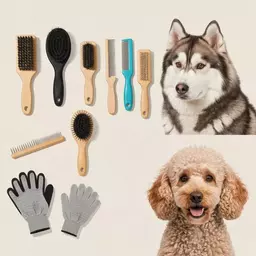
To enhance your double-coated dog's grooming experience, consider using a de-shedding tool in addition to your regular brush. This will help remove loose undercoat fur, reducing shedding and preventing matting. Regular use can keep your dog's coat healthier and more manageable, making bath time easier and more effective!
Frequently Asked Questions (FAQs)
Q1: What is a double coat in dogs?
A double coat consists of two layers: a coarse outer topcoat that protects against elements and a soft, dense undercoat that provides insulation and regulates body temperature.
Q2: How often should I bathe my double-coated dog?
Generally, bathing every 4-6 weeks is recommended. However, this can vary based on your dog's activity level, environment, and individual needs. Over-bathing can strip natural oils, while infrequent bathing can lead to dirt buildup and skin issues.
Q3: Why is pre-bath brushing important for double-coated dogs?
Pre-bath brushing is crucial to prevent matting. Mats can trap moisture, leading to skin infections and discomfort. Brushing thoroughly before bathing helps to loosen and remove dead undercoat, allowing shampoos and conditioners to penetrate effectively.
Q4: What are common skin issues in double-coated dogs?
Common issues include skin infections (due to trapped moisture in the undercoat), allergies (from environmental allergens accumulating in the coat), and painful mats and tangles if regular brushing is neglected.
Q5: When should I seek professional grooming help for my double-coated dog?
Consider professional help for severe matting, persistent skin irritations, excessive shedding, if your dog shows distress during home grooming, or if you need breed-specific grooming techniques. Professionals have the tools and expertise to handle challenging situations.
Summarizing Expert Advice on Double-Coated Dog Bathing
As we conclude our discussion on double-coated dog grooming, it's essential to highlight the key practices that can help ensure your furry friend stays healthy and happy. A tailored approach to grooming is crucial, as every dog has unique needs based on their breed, coat type, and individual skin sensitivities. By understanding these factors, you can create a consistent grooming routine that works best for your pup!
Key Takeaways for Successful Grooming
- Always start with a good pre-bath brushing to prevent matting.
- Choose appropriate shampoos and conditioners that suit your dog's coat type.
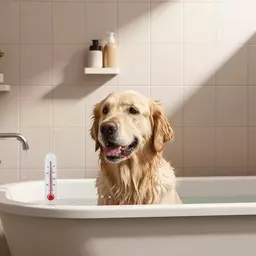
- Monitor water temperature—aim for lukewarm to keep your dog comfortable.
- Avoid over-bathing; establish a routine that balances cleanliness with skin health.
- Consider seasonal changes to adjust grooming frequency and techniques.
By focusing on these key aspects, you’ll enhance your double-coated dog’s overall well-being. Remember, regular grooming not only improves their appearance but also strengthens the bond between you and your pet. If you're ever unsure, don't hesitate to reach out for guidance or consult a professional!
Encouraging Professional Grooming: When to Seek Help
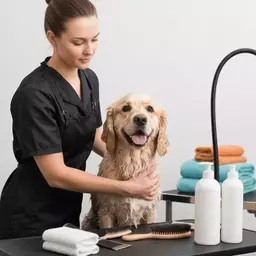
While many dog owners can handle basic grooming at home, certain situations may call for professional help. If your double-coated dog is experiencing severe matting, skin irritation, or if you're uncertain about handling specific grooming tasks, it’s wise to consult with a grooming expert. I often recommend visiting a seasoned groomer when:
- Your dog has a particularly thick or dense coat that’s difficult to manage.
- You notice excessive shedding or skin issues that require specialized care.
- Your furry friend shows signs of distress or anxiety during grooming sessions.
- You're looking for breed-specific grooming techniques that may not be widely known.
Professional groomers have the tools and experience to tackle challenging grooming tasks effectively, ensuring your double-coated dog receives the best care possible! At The Dog Bath Authority, we’re here to encourage you to seek help whenever your pup needs it—because their health is our top priority! To learn more about specific tools that can aid in this process, check out our guide on essential dog grooming tools.
Recap of Key Points
Here is a quick recap of the important points discussed in the article:
- Double-coated dogs have a unique coat structure requiring tailored grooming techniques.
- Regular grooming is essential, especially during seasonal shedding periods.
- Establish a bathing routine of every 4-6 weeks to maintain skin health and cleanliness.
- Using appropriate grooming products and techniques can prevent common skin issues.
- Seek professional grooming assistance for severe matting or skin concerns.