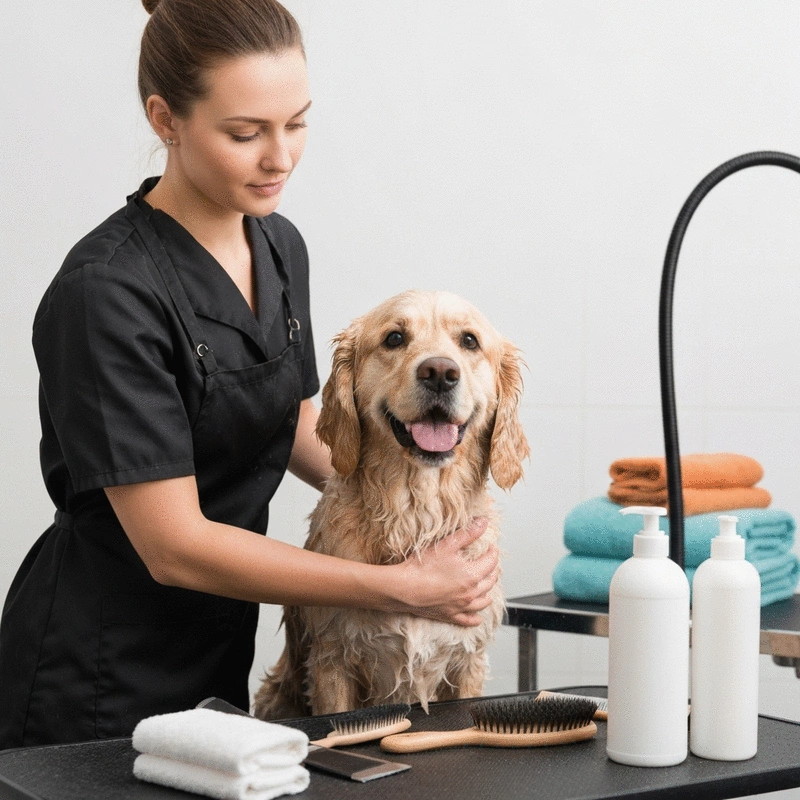

Understanding the right bathing techniques can significantly improve your dog's skin and coat health. Are you ready to dive into the world of breed-specific grooming?
What You Will Learn
- Tailored grooming practices enhance your dog's overall health and comfort.
- Different coat types require unique bathing techniques to maintain skin health.
- Regular grooming fosters a stronger bond between you and your pet.
- Choosing the right grooming tools and products can significantly impact your dog's well-being.
- Seasonal changes affect grooming needs; adapt your routine accordingly.
- Addressing common concerns during bath time can help manage anxiety in dogs.
Understanding Breed-Specific Grooming Needs
Different dog breeds have unique coat types and skin sensitivities, requiring tailored bathing techniques for optimal health. This visual highlights general recommendations based on coat type, as well as considerations for product selection and environmental factors.
Bathing Frequency & Impact
Frequency Factors:
- Breed & Coat Type
- Activity Level
- Skin Health
- Environmental Exposure
Impact on Skin Health:
- Regular baths: Prevent dirt/bacteria buildup
- Over-bathing: Can lead to dryness & irritation
- Ideal: Maintain natural oils, prevent issues
Coat Type Recommendations
Short Coats (Beagles, Boxers):
- Gentle bath every few weeks
- Mild shampoo
- Brush gently
Long Coats (Golden Retrievers, Shih Tzus):
- Brush before bathing
- Detangling spray
- Moisturizing shampoo
Product & Tool Selection
Shampoo Types:
- Hypoallergenic (sensitive skin)
- Moisturizing (dry coats)
- De-shedding formulas
Essential Tools:
- Pin brushes (long hair)
- Slicker brushes (tangles)
- Soft bristle brushes (short hair)
Seasonal Bathing Adjustments
Warm Seasons (Spring/Summer):
- More frequent baths (activity, allergens)
- Monitor for matting (humidity)
- Consider doggy sunscreen
Cold Seasons (Autumn/Winter):
- Less frequent bathing
- Focus on hydration/moisturizing
- Check paw pads for injuries
Addressing Bath Time Concerns
Anxious Dogs:
- Gradual introduction
- Positive reinforcement (treats)
- Calming sprays/diffusers
- Lukewarm water
Water Temperature:
- Lukewarm is ideal
- Test with wrist
- Too hot: irritates skin
- Too cold: uncomfortable
When to Seek Professional Grooming
Scenarios for Experts:
- Complex coat types
- Anxious dogs
- Skin issues requiring assessment
- Regular health checks
Benefits of Professionals:
- Specialized techniques
- Proper tools
- Early detection of health issues
- Ensures high-quality care
Understanding Breed-Specific Bathing Techniques for Optimal Dog Care
When it comes to taking care of our furry companions, understanding breed-specific bathing techniques is vital for their overall health and happiness. Each dog breed has unique coat types and skin sensitivities, which means that one universal approach to bathing simply won't suffice. At The Dog Bath Authority, I believe that tailored grooming practices can make all the difference in keeping your dog's skin and coat healthy.
Did you know that a well-maintained coat not only looks great, but it also plays a critical role in your pet's health? By embracing breed-specific grooming techniques, you can address the unique needs of your dog, ensuring they feel comfortable and confident in their skin. Let’s dive into why this specialized approach is so important! For an even deeper understanding of how different breeds respond to bathing, check out our guide on dog bathing techniques for all coat types.
The Importance of Tailored Grooming for Your Dog's Health
Why Breed-Specific Grooming Matters
Each breed has its own set of characteristics that influence grooming needs. For example, breeds with long hair may require more frequent grooming to prevent matting, while short-haired breeds might benefit from less intensive care. By understanding these differences, you can proactively address potential skin issues or discomfort.
- Tailored grooming helps reduce skin irritations.
- It promotes a healthy coat by addressing specific needs.
- Regular grooming fosters a stronger bond between you and your dog.
When you tailor your grooming routine to your dog's specific breed, you're not only enhancing their appearance but also contributing to their overall well-being. This commitment to individualized care can lead to fewer visits to the vet for skin problems down the line!
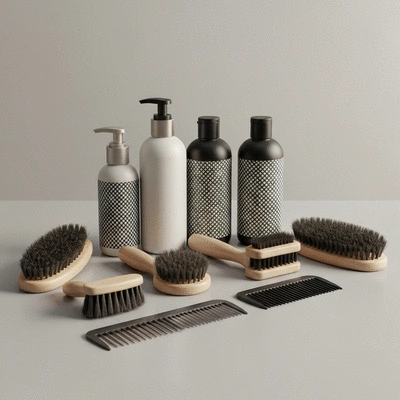
Linking Bathing Techniques to Coat Health
Bathing is a fundamental part of grooming that directly impacts your dog's coat health. Using the right bathing techniques can help maintain the natural oils in their fur, keeping it shiny and resilient. At The Dog Bath Authority, I emphasize the significance of choosing appropriate shampoos and conditioners that suit your dog's unique coat type.
Incorporating a consistent bathing schedule that aligns with your dog’s grooming needs can make a world of difference. By doing so, you'll support their coat's health, making it easier for you to manage tangles or shedding, which is especially true for breeds with thick or curly fur.
Grooming Techniques Based on Coat Types
Short Coats: Best Practices for Bathing
Dogs with short coats, like Beagles and Boxers, typically require less grooming than their longer-haired counterparts. However, this doesn’t mean they don’t need care! A gentle bath every few weeks is usually sufficient to keep their skin and coat healthy.
- Use a mild shampoo to avoid stripping natural oils.
- Consider a quick rinse with water in between baths to remove dirt.
- Brush gently to remove loose fur and debris.
By maintaining this routine, you can ensure that your short-haired dog remains clean and comfortable without overwhelming their skin with excessive bathing.
Long Coats: Techniques to Prevent Matting and Tangles
For breeds with long coats, such as Golden Retrievers and Shih Tzus, preventing mats and tangles becomes crucial. Regular grooming is essential to keep their fur free from knots and to ensure a comfortable bathing experience.
- Brush before bathing to remove tangles.
- Use a detangling spray during the grooming process.
- Choose a shampoo that adds moisture to prevent dryness.
By following these techniques, you're investing in your dog's comfort and hygiene, which can lead to fewer issues during bath time! To learn more about effective grooming tools, explore our comprehensive guide on essential dog grooming tools.
Wiry Coats: Unique Bathing Needs and Considerations
Wiry-coated breeds like the Cairn Terrier or the Wirehaired Fox Terrier have distinct grooming needs. Their coats require special attention to maintain their unique texture while preventing matting.
- Use a specialized shampoo designed for wiry coats.
- Incorporate regular hand-stripping or trimming to maintain the coat's integrity.
- Ensure thorough rinsing to prevent product buildup.
These tailored approaches not only enhance the appearance of wiry coats but also contribute to better skin health, making your grooming sessions more effective!
Recommended Products and Tools for Effective Bathing
Choosing the Right Shampoo for Different Breeds
Selecting the right shampoo is critical for your dog's bathing routine. Depending on your dog's coat type and any specific skin conditions, there are various options available.
- Hypoallergenic shampoos for sensitive skin.
- Moisturizing shampoos for dry coats.
- De-shedding formulas for excessive shedding.
By taking the time to choose the right products, you can significantly improve your dog’s bathing experience and coat health.
Hypoallergenic Products for Sensitive Skin
If your dog has sensitive skin, hypoallergenic products can be a lifesaver! These gentle formulas help prevent irritations while effectively cleansing your dog’s coat.
- Look for natural ingredients to avoid harsh chemicals.
- Test new products on a small patch of fur before full application.
- Consult your vet for recommendations tailored to your dog’s needs.
By prioritizing your dog's sensitive skin, you're not only ensuring their comfort but also promoting a happier grooming experience!
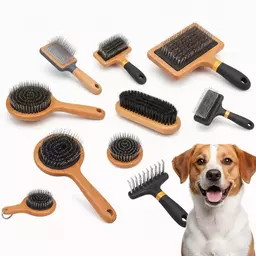
Tools of the Trade: Brushes, Combs, and More
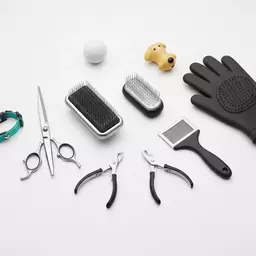
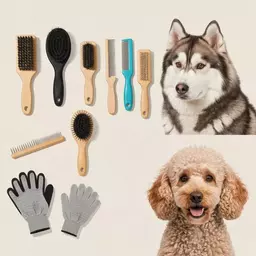
The right grooming tools can make all the difference in your dog's bathing routine. Investing in quality brushes, combs, and drying towels tailored to your dog’s coat type is essential.
- Pin brushes for long-haired breeds.
- Slicker brushes for removing tangles.
- Soft bristle brushes for short-haired dogs.
These tools can help you achieve a thorough and effective grooming session, ensuring your dog looks and feels their best!
Adapting Bathing Techniques to Climate and Seasonal Changes
How Weather Impacts Your Dog's Grooming Needs
As the seasons change, so too do your dog’s grooming needs. Hot, humid weather may necessitate more frequent baths, while winter months may require less bathing but more attention to dryness.
- Monitor your dog's coat for signs of matting in humid weather.
- Adjust bathing frequency in colder months to prevent skin issues.
- Use moisturizing products during dry seasons.
By paying attention to these seasonal changes, you can maintain your dog's coat health throughout the year, ensuring their comfort no matter the weather!
Seasonal Tips for Bathing and Coat Maintenance
In spring and summer, your dog might need more frequent baths due to increased outdoor activity. Conversely, winter may require a focus on hydration and protection against the elements.
- Schedule baths after outdoor adventures to remove dirt and allergens.
- Consider using a doggy sunscreen for outdoor play in hot weather.
- Keep an eye on paw pads for any salt or ice injuries in winter.
These seasonal tips help you adapt your grooming routine, ensuring your dog stays healthy and happy throughout the year!
Addressing Common Concerns During Bath Time
Strategies for Bathing Anxious Dogs
Bath time can be stressful for many dogs. If your pup seems anxious, it’s important to approach the situation with care and patience. Simple strategies can help make the experience more enjoyable for both of you.
- Introduce bath time gradually, starting with short sessions.
- Use treats and positive reinforcement to create a positive association.
- Consider using calming sprays or diffusers to ease anxiety.
By taking these steps, you can help your dog feel more comfortable during bathing, turning it into a bonding experience rather than a stressful chore! You can also find more detailed advice on managing bath anxiety and understanding how water temperature affects dog coats.
Understanding Bath Frequency and Its Impact on Skin Health
How often should you bathe your dog? This depends on several factors, including breed, activity level, and skin health. Regular baths can prevent dirt buildup, but over-bathing may lead to dryness.
- Short-haired breeds may only need baths every 4-6 weeks.
- Long-haired breeds often require more frequent grooming to prevent matting.
- Always consult your veterinarian for recommendations tailored to your dog’s needs.
By understanding the balance between cleanliness and skin health, you can keep your dog feeling great while reducing the risk of skin irritations!
Water Temperature and Its Effect on Your Dog's Comfort
Using the right water temperature during bathing is crucial. Water that is too hot can irritate your dog’s skin, while water that is too cold can make them uncomfortable. Aim for lukewarm water to keep things comfortable!
- Test the water temperature with your wrist before bathing.
- Keep your dog calm with soothing words and gentle handling.
- Use a handheld sprayer for easier control over water flow and temperature.
By focusing on your dog’s comfort during bath time, you're setting the stage for a successful grooming session!
Frequently Asked Questions about Breed-Specific Dog Bathing
We Want to Hear From You!
What do you think about breed-specific grooming techniques? Have you noticed a difference in your dog's health and happiness with tailored bathing practices? Share your thoughts below:
Summarizing Key Takeaways on Breed-Specific Bathing
As a passionate advocate for optimal dog care, I believe understanding the nuances of breed-specific bathing is crucial for all dog owners. Tailored grooming practices ensure that our furry friends not only look great but feel comfortable and healthy. Let’s revisit some of the key benefits and practices that can enhance your dog's bathing experience!
Implementing proper grooming routines can lead to a happier, healthier dog! Regular baths and grooming not only remove dirt and allergens but also promote better skin health and coat condition.
Benefits of Tailored Grooming Practices
When we discuss tailored grooming, it’s essential to recognize the direct impact it has on our dogs’ wellbeing. By catering to the specific needs of each coat type, we can maintain both aesthetics and comfort. This approach not only keeps their coat looking vibrant but also enhances their overall health.
- Enhanced coat condition: Regular grooming prevents mats and tangles, especially for long-haired breeds.
- Improved comfort: Dogs that are groomed according to their breed’s needs experience less irritation from skin issues.
- Better bonding: Grooming sessions can strengthen the bond between you and your dog, creating a more trusting relationship.
It’s amazing how much a good grooming routine can transform your dog’s life! With consistent care, you’ll notice fewer issues related to skin and coat health.
Maintaining Aesthetics and Comfort Through Proper Care
One of the primary goals of grooming is maintaining your dog’s appearance while ensuring their comfort. For instance, a well-groomed pup not only looks fresh but feels fantastic. Dogs with long, flowing coats require specific techniques to avoid tangles, while short-haired breeds might just need a simple wash and brush!
Incorporating breed-specific techniques into your grooming routine can significantly improve your dog's bathing experience. Always keep an eye on their comfort levels, and don’t hesitate to adjust your methods accordingly.
Health Benefits of Regular Grooming and Bathing
Regular bathing and grooming come with a host of health benefits! It can help detect skin issues early on, preventing more significant problems down the line. Here are some health advantages to consider:
- Prevention of skin infections: Regular baths remove dirt and bacteria that can lead to infections.
- Reduction in shedding: Frequent grooming helps manage loose fur, keeping your home cleaner.
- Improved skin health: Bathing with appropriate products can hydrate the skin and promote a healthy coat.
By committing to a routine that prioritizes your dog's coat and skin health, you're setting them up for a comfortable, happy life!
Encouraging Professional Grooming Services
While DIY grooming can be effective, there are times when seeking the help of a professional groomer is the best option. They have the training and tools to ensure your dog receives the highest quality care tailored specifically to their needs.
If you're ever in doubt, don't hesitate to reach out to a local grooming expert. It's about giving your dog the best care possible!
When to Seek Help from Grooming Experts
Recognizing when to turn to a professional can make a big difference in your dog's grooming routine. Here are some scenarios where professional help is beneficial:
- When your dog has a complex coat that requires specialized grooming techniques.
- If your dog is anxious or uncomfortable during baths.
- When dealing with skin issues that need careful assessment and treatment.
Don’t hesitate to ask questions when choosing a grooming service! A good groomer can provide valuable insights tailored to your dog's specific grooming needs.
Finding Local Grooming Services Near You
Finding a reliable grooming service in your area can be simple if you know what to look for. Start by searching online, checking reviews, and asking fellow dog owners for recommendations. You can also check local directories or social media groups focused on pet care.
When you visit a grooming salon, pay attention to the environment and how the staff interacts with the dogs. This can help you determine if it's the right fit for your fur baby!
Understanding the Role of Dog Groomers in Your Pet's Care
Dog groomers play a vital role in your pet's overall health and hygiene. They not only groom but also assess your dog's condition during each visit, providing insights about any changes that may need attention. In many cases, groomers can spot potential health issues before they become serious.
Encouraging a relationship with a professional groomer ensures your dog receives the best care possible in between their baths at home!
Your Next Steps for Implementing Breed-Specific Care
Now that you’re aware of the significance of breed-specific bathing practices, it’s time to put this knowledge into action! Whether you opt for DIY techniques or professional grooming services, every step you take contributes to your dog’s overall wellbeing.
DIY Bathing Techniques for Home Grooming
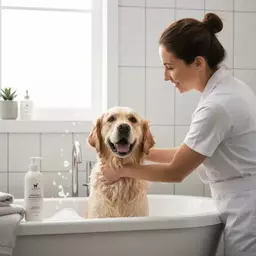
If you're looking to groom your dog at home, start by gathering the right tools and products. Ensure you have a gentle shampoo, a good brush, and positive reinforcement treats ready to go. Establish a calm environment where your dog feels secure during bath time!
- Use lukewarm water for comfort and effectiveness.
- Start bathing from the neck down, avoiding their ears and eyes.
- Always rinse thoroughly to prevent skin irritation.
By preparing properly, you can make bath time enjoyable for both you and your pup!
Creating a Customized Bathing Routine for Your Dog
Every dog is unique, so developing a bathing routine that fits your dog’s specific needs is essential. Consider their coat type, activity level, and any health concerns when creating this routine. Set a schedule that aligns with their lifestyle to ensure they remain clean and comfortable.
For example, active dogs may require more frequent baths than those who are less active. Customize your approach to keep your dog looking and feeling their best!
Incorporating Bathing Stations for Effective Home Grooming
To make grooming at home easier and more efficient, consider setting up a designated bathing station! This space can be equipped with everything you need for grooming, making the process smoother. Here are some tips:
- Choose a non-slip mat to keep your dog secure.
- Have all your tools within reach, including towels and brushes.
- Create a positive atmosphere with treats and toys.
This setup not only streamlines the grooming process but also helps your dog feel more at ease during their baths!
Recap of Key Points
Here is a quick recap of the important points discussed in the article:
- Understand breed-specific grooming techniques to address unique coat types and skin sensitivities.
- Regular grooming enhances coat condition, improves comfort, and strengthens the bond between you and your dog.
- Use appropriate shampoos and maintain a consistent bathing schedule to support coat health.
- Tailor grooming techniques based on coat type: short coats require less frequent baths, while long coats need regular grooming to prevent matting.
- Consider seasonal changes in climate that impact your dog's grooming needs and adjust bathing frequency accordingly.
- Address anxious behaviors during bath time with gradual introductions and positive reinforcement.
- Seek professional grooming help when faced with complex grooming needs or skin issues.