

Have you ever wondered what lies beneath your dog's skin? Just like us, their skin health is paramount to their overall well-being. Understanding the intricacies of skin irritation and its causes can empower you to make better choices for your furry friend.
What You Will Learn
- The importance of a healthy skin barrier in preventing skin irritation.
- Common triggers for skin irritation, including hot water and harsh soaps.
- How to identify allergens that may affect your dog's skin health.
- Long-term strategies for maintaining your dog’s skin health through diet and grooming.
- Daily skincare routines that promote optimal hydration and manage skin sensitivity.
- Expert tips on bathing techniques and post-bath care to enhance skin health.
Understanding Skin Irritation Triggers and Solutions
This visual outlines key factors contributing to canine skin irritation and effective strategies for prevention and management, focusing on the skin barrier, common irritants, and long-term care.
Role of Skin Barrier Function
The skin barrier, composed of lipids and proteins, protects against irritants. A compromised barrier leads to dryness, redness, and itching.
- Hydration: Keeps skin moisturized.
- Nourishment: Essential fatty acids.
- Protection: Guards against allergens.
Common Skin Irritation Triggers
Avoid hot water and harsh soaps which strip natural oils. Lukewarm water and mild shampoos are recommended.
- Hot Water: Causes dryness.
- Harsh Soaps: Disrupts barrier.
- Allergens: Pollen, dust, certain foods.
Long-Term Skin Health Strategies
A balanced diet with omega fatty acids and sun protection are crucial for maintaining healthy skin.
- Nutritious Diet: High-quality protein.
- Sun Protection: Pet-safe sunscreen.
- Regular Grooming: Removes dirt, stimulates skin.
Daily Skincare Routines
Consistent routines including brushing, appropriate bathing, and gentle shampoos are essential for hydration.
- Brush Daily: Removes loose fur.
- Monitor Bathing: Avoid stripping oils.
- Gentle Shampoo: Hydrating and specific.
Understanding Skin Irritation and Its Causes
As a passionate canine grooming expert, I often see how skin irritation can affect our furry friends. Understanding the underlying reasons for skin issues is essential for pet owners. Just as with humans, dogs can experience various forms of irritation that can lead to discomfort. Let’s dive into how skin health plays a vital role in their overall well-being!
The skin barrier is the first line of defense for your dog's skin. It protects against environmental irritants and pathogens. A healthy skin barrier is crucial for preventing irritation. When this barrier is compromised, dogs can suffer from dryness, redness, and itching. By focusing on maintaining that barrier, we can significantly reduce the risk of skin problems. For more insights on ensuring healthy skin, read about pH-balanced shampoos for dogs.
The Role of Skin Barrier Function in Preventing Irritation
The skin barrier is made up of lipids and proteins that work together to keep moisture in and harmful elements out. When this barrier is intact, it functions effectively to maintain your dog’s skin health. If the barrier is damaged, it can lead to increased susceptibility to infections and irritations.
- Hydration: Keeping the skin hydrated is vital.
- Nourishment: Essential fatty acids help support skin health.
- Protection: A strong barrier protects against allergens and irritants.
For many dogs, a careful grooming routine can do wonders in supporting their skin barrier. It’s important to select grooming products that are specifically formulated to nourish and protect their skin!
Common Triggers of Skin Irritation: Hot Water, Harsh Soaps, and More
As I guide dog owners through bathing techniques, I often emphasize the importance of avoiding common irritants. Hot water and harsh soaps can strip away essential oils, leading to dryness and irritation. It's a misconception that hot water is effective in cleaning; instead, it can do more harm than good!
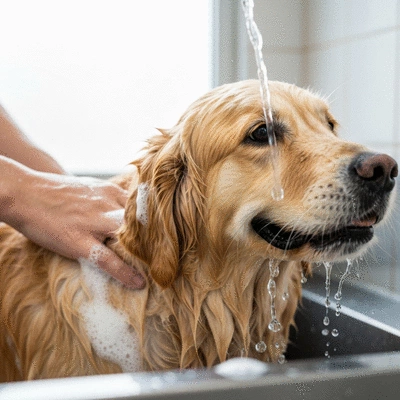
- Hot water: Can cause dryness and irritation.
- Harsh soaps: Strip natural oils and disrupt skin barrier.
- Allergens: Pollen and dust can trigger reactions.
Being mindful of these triggers during grooming can significantly enhance your dog’s comfort and skin health. Always aim for a gentle approach, using lukewarm water and mild, dog-specific shampoos to keep their skin happy! Understanding water temperature and dog coats is key to preventing irritation.
Identifying Allergens and Their Impact on Skin Health
Another vital area to explore is allergens. Many dogs can have sensitivities to environmental factors like pollen, dust mites, or specific foods. Identifying these allergens is key in managing skin health. If you notice your dog scratching or developing rashes, it may be time to investigate potential triggers.
- Environmental allergens: Trees, grass, and weeds.
- Food allergies: Common ingredients like chicken, beef, or dairy.
- Contact allergens: Various materials such as certain fabrics or cleaning products.
Consulting with a veterinarian can help you pinpoint these allergens. Monitoring your dog’s reactions and adjusting their environment accordingly can make a world of difference for their skin health!
We Want to Hear From You!
What do you think about your dog's skin health? Have you noticed any specific triggers for skin irritation in your furry friend? Share your thoughts below:
Long-Term Strategies for Maintaining Healthy Skin
Maintaining your dog's skin health goes beyond just regular bathing. It’s important to integrate a balanced diet and sun protection into their daily routine. Did you know that the right nutrition can enhance their skin barrier? Foods rich in omega fatty acids, such as salmon and flaxseed oil, can significantly improve coat condition and reduce irritation.
Additionally, dogs with lighter coats or sensitive skin may benefit from protective clothing during prolonged sun exposure. This extra step helps shield their skin from harmful UV rays while keeping them cool and comfortable!

Integrating a Balanced Diet and Sun Protection into Your Routine
When it comes to your dog's skincare regimen, a nutritious diet is key. Aim for a diet that includes:
- High-quality protein sources
- Omega fatty acids for skin health
- Vitamins and minerals that support overall well-being
Also, consider the importance of sun protection. Just like us, our furry friends can suffer from sunburn! Applying pet-safe sunscreen, particularly on exposed areas like the nose and ears, can help prevent skin damage.
How Lifestyle Choices Influence Skin Irritation and Health
Your dog's environment plays a significant role in their skin health. Regular exercise and exposure to different environments can either help or hinder their skin condition. For example, excessive exposure to dust, pollen, or chemicals may lead to irritation, especially in sensitive breeds. Explore more about caring for dogs with sensitive skin to help mitigate these issues.
Additionally, factors such as stress and grooming frequency can influence skin health. Regular grooming not only helps remove dirt and allergens but also promotes skin circulation. So, don’t skimp on those brushing sessions!
Daily Skincare Routines for Optimal Hydration and Skin Sensitivity Management
Creating a consistent skincare routine is essential for keeping your dog’s skin healthy. Here are some daily skincare tips:
- Brush your dog daily to remove loose fur and stimulate the skin.
- Monitor their bathing frequency to avoid stripping natural oils.
- Use a gentle, hydrating shampoo tailored to your dog's specific needs.
Implementing these practices not only enhances skin hydration but also helps manage skin sensitivity. As you establish these routines, remember to observe how your pet responds and adjust as necessary.
Frequently Asked Questions About Dog Skin Health
Q: What is the main role of a dog's skin barrier?
A: The skin barrier protects against environmental irritants and pathogens, maintaining moisture and preventing dryness, redness, and itching.
Q: What are common triggers for dog skin irritation?
A: Common triggers include hot water, harsh soaps that strip natural oils, and allergens such as pollen, dust, and certain foods.
Q: How can diet impact my dog's skin health?
A: A balanced diet rich in omega fatty acids, high-quality proteins, and essential vitamins and minerals can significantly improve coat condition and reduce irritation by enhancing the skin barrier.
Q: What kind of bathing routine is best for preventing skin irritation?
A: Use lukewarm water and mild, dog-specific shampoos. Avoid harsh soaps and excessive bathing that can strip natural oils. Tailor the frequency to your dog's specific needs and skin type.
Q: How can I identify if my dog has skin allergies?
A: Look for signs like excessive scratching, rashes, or redness. Environmental factors like pollen, dust mites, and certain food ingredients can be allergens. Consulting a veterinarian for allergy testing can help pinpoint specific triggers.
Engaging with Expert Insights for Skin Health
As your go-to resource for dog bathing and grooming, The Dog Bath Authority is committed to providing you with the best information! Engaging with expert insights can elevate your understanding of your dog's skin health.
Expert Q&A: Dermatologists Share Their Top Bathing Tips
Consulting with dermatologists can uncover tailored solutions for your dog’s skin issues. They often recommend techniques like:
- Using lukewarm water during baths.
- Choosing hypoallergenic shampoos.
- Implementing a post-bath moisturizing routine.
Utilizing Visuals and Infographics to Understand Skin Anatomy and Barrier Function
Sometimes, seeing is believing! Engaging with visuals can help demystify skin health. Infographics detailing skin anatomy and how the skin barrier functions can be particularly enlightening. At The Dog Bath Authority, we strive to make understanding your dog's skincare simpler!
Dermatologist Recommendations for Eczema and Skin Allergies Management
For dogs suffering from eczema or skin allergies, a dermatologist’s input can be invaluable. They may suggest:
- Regular allergy testing to identify triggers.
- Specific medicated baths using ingredients like chlorhexidine.
- Dietary changes to reduce inflammation.
Implementing these strategies can help alleviate discomfort and promote healthier skin for your furry companion.
Implementing These Tips for Lasting Results
Creating a personalized bathing routine based on your dog’s skin type is essential for long-term health. Here at The Dog Bath Authority, we believe that understanding each pet's unique needs can lead to better outcomes.
Creating a Personalized Bathing Routine Based on Skin Type
Consider your dog's breed and skin sensitivity when establishing a bathing schedule. A few tips include:
- For long-haired breeds, frequent brushing and bathing may be necessary.
- Short-haired dogs might only need a bath once a month.
- Always tailor your shampoo choice to their specific skin needs.
By taking these steps, you can ensure your dog enjoys a comfortable, healthy coat! For more detailed guidance, consider exploring dog bathing tips for healthy skin.
Encouraging Feedback and Sharing Personal Experiences for Community Learning
Finally, sharing your experiences can be incredibly valuable! We encourage you to connect with fellow pet owners. Sharing tips and stories fosters a supportive community while enhancing our collective knowledge on caring for our furry friends!
Recap of Key Points
Here is a quick recap of the important points discussed in the article:
- Maintain a Healthy Skin Barrier: Ensure hydration, nourishment, and protection for your dog's skin to prevent irritation.
- Avoid Common Irritants: Use lukewarm water and gentle, dog-specific shampoos to reduce the risk of skin problems.
- Identify Allergens: Monitor your dog for allergic reactions to environmental factors and food, adjusting their care as needed.
- Balanced Diet and Sun Protection: Incorporate omega fatty acids in their diet and use pet-safe sunscreen to maintain skin health.
- Establish a Daily Skincare Routine: Regular brushing and mindful bathing practices enhance hydration and manage skin sensitivity.
- Engage with Experts: Consulting with dermatologists can provide tailored solutions for skin issues like eczema and allergies.