Did you know that regular grooming is as essential for your dog's health as a balanced diet? It's true! Grooming not only keeps your furry friend looking great but also plays a vital role in their overall well-being.
What You Will Learn
- Regular grooming improves your dog's skin and coat health by distributing natural oils.
- Using the right grooming tools for your dog's specific coat type prevents discomfort and ensures effective care.
- Grooming sessions provide an opportunity to monitor your dog's skin for unusual changes or health issues.
- Building a gentle and patient grooming routine helps strengthen the bond between you and your dog.
Grooming Essentials: Tailored Care for Every Dog Coat Type
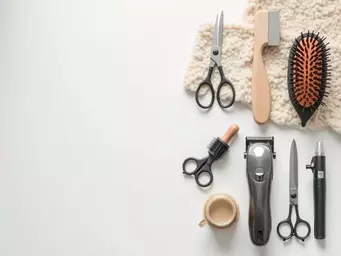
Selecting the right grooming tool for your dog's specific coat type is crucial for effective and comfortable care. This guide outlines the best brush types for common dog coats, ensuring a healthy and happy pet. For more details on essential grooming tools, check out our essential dog grooming tools guide.
Understanding Dog Grooming Brushes and Their Importance
As a passionate canine grooming expert, I can’t stress enough the importance of grooming for your dog’s health. Grooming isn’t just about keeping your furry friend looking good; it plays a vital role in their overall well-being. Regular brushing helps to remove dirt, debris, and loose hair, which can contribute to skin irritations. Plus, grooming sessions are a great way to bond with your dog!
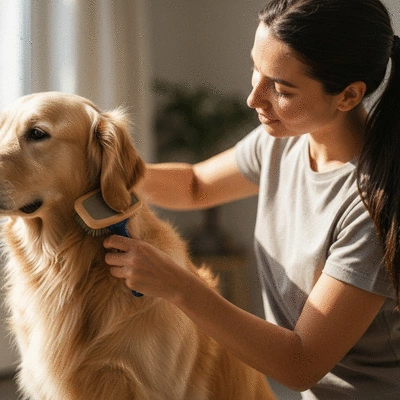
When you groom your dog, you also have a chance to check for any unusual lumps, bumps, or skin issues. This early detection can make a huge difference in addressing potential health problems before they escalate. So, let’s explore why grooming is essential for your dog’s health and how it can positively impact their happiness. For more insights on maintaining healthy skin, explore our article on dog bathing tips for healthy skin.
Why Grooming is Essential for Your Dog's Health
Grooming serves many purposes that go beyond just aesthetics. Some key reasons include:
- Healthy Skin and Coat: Regular brushing helps distribute natural oils, promoting a shiny coat.
- Reduced Shedding: Keeping up with grooming can minimize shedding, making your house cleaner.
- Parasite Control: Grooming allows for early detection of fleas, ticks, and other parasites.
- Comfort: Grooming can help prevent matting and tangles, which can pull on the skin and cause discomfort.
By incorporating grooming into your dog care routine, you are investing in their health and happiness. At The Dog Bath Authority, I’m here to provide you with all the tips and techniques so you can groom your dog confidently!
Overview of Different Dog Coat Types
Understanding your dog's coat type is crucial for effective grooming. Let's break down the different coat types you might encounter:
- Short-Coated: Breeds like Beagles and Boxers have sleek coats that require minimal grooming.
- Long-Coated: Breeds such as Golden Retrievers and Yorkies need regular brushing to prevent tangles.
- Curly-Coated: Poodles and Portuguese Water Dogs have curly fur that requires specific grooming techniques.
- Wire-Coated: Breeds like Terriers have coarse hair that may need special care to maintain texture.
Knowing your dog's coat type will help you choose the right tools and techniques for effective grooming. Each dog is unique, and understanding these differences ensures that you can provide the best care possible!
Key Dog Grooming Tips for Every Coat Type
Here are some essential grooming tips tailored to different coat types:
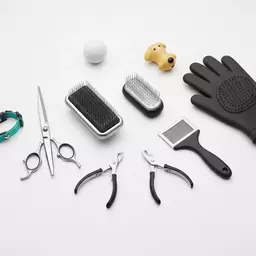
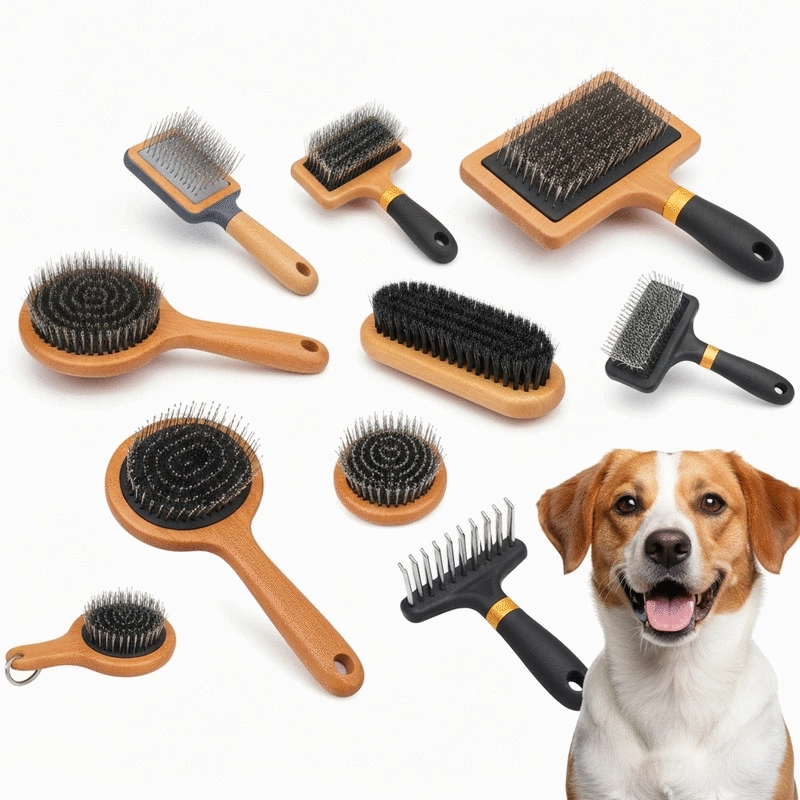
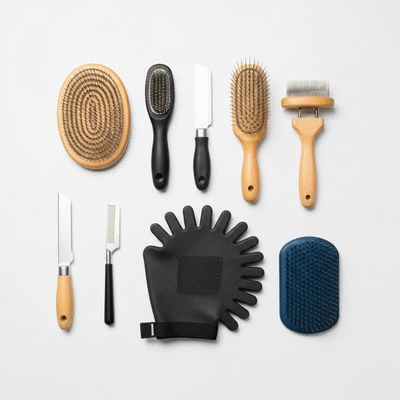
- For Short-Coated Dogs: Use a rubber grooming mitt to remove loose hair and dirt. A quick brush once a week is usually sufficient!
- For Long-Coated Dogs: Invest in a slicker brush to detangle and smooth their fur. Daily brushing is recommended to avoid mats.
- For Curly-Coated Dogs: A pin brush is your best friend! Regular grooming helps to prevent mats and keep their coat healthy.
- For Wire-Coated Dogs: Use a stripping knife to maintain their coat's texture and remove dead hair.
With these tailored tips, you'll be well on your way to mastering grooming for your beloved dog. At The Dog Bath Authority, I aim to empower you with the knowledge to keep your dog healthy and happy! You can also learn about dog bathing techniques for all coats to complement your grooming routine.
We Want to Hear From You!
What do you find most challenging about grooming your dog? Share your thoughts below:
Frequently Asked Questions About Dog Grooming
Q1: Why is regular grooming important for my dog?
A1: Regular grooming is crucial for distributing natural oils, promoting a healthy coat, reducing shedding, detecting parasites early, and preventing painful mats and tangles, all of which contribute to your dog's overall health and comfort.
Q2: How do I choose the right grooming tool for my dog?
A2: Choosing the right tool depends on your dog's specific coat type. For short-coated dogs, a rubber grooming mitt is ideal. Long-coated dogs benefit from a slicker brush, while curly-coated dogs need a pin brush. Wire-coated dogs require a stripping knife to maintain texture.
Q3: How often should I groom my dog?
A3: Grooming frequency varies by coat type. Short-coated dogs may only need weekly brushing, while long-coated dogs often require daily brushing to prevent mats. Pay attention to your dog's individual needs and coat condition.
Q4: Can grooming help detect health issues?
A4: Yes, grooming sessions provide an excellent opportunity to perform a hands-on check of your dog's body. You can monitor for any unusual lumps, bumps, skin irritations, fleas, ticks, or other potential health concerns, allowing for early intervention.
Q5: What should I do if my dog resists grooming?
A5: Approach grooming with patience and gentleness. Start with short sessions, use positive reinforcement like treats and praise, and gradually increase duration. If resistance persists, consider seeking advice from a professional groomer or veterinarian.
Empowering Your Grooming Journey
At The Dog Bath Authority, we believe that understanding the grooming process is the key to a happy, healthy dog! As you embark on your grooming journey, here are some key takeaways to keep in mind that will help you achieve effective and enjoyable grooming sessions.
Summarizing Key Takeaways for Effective Dog Grooming
Grooming isn't just about keeping your dog looking stylish; it plays an essential role in their overall health. Here are some crucial points to remember:
- Regular Brushing: Helps prevent tangles and mats, while also distributing natural oils for a healthy coat.
- Choose the Right Tools: Using the appropriate brush for your dog’s coat type ensures effective grooming and minimizes discomfort.
- Be Gentle: Always approach grooming with patience; this builds trust between you and your dog.
- Monitor Skin Health: Pay attention to any irritations or changes in your dog's skin during grooming sessions.
These takeaways not only simplify the grooming process but also help you create a positive experience for your furry friend!
Encouraging Further Learning and Professional Help
Grooming can sometimes feel overwhelming, especially with all the techniques and tools available. It’s perfectly okay to seek out additional resources or professional help. Whether you’re looking for advanced techniques or specific grooming styles, don't hesitate to reach out!
Consider enrolling in grooming workshops or seeking advice from local grooming salons. Many professionals are more than happy to share their knowledge, which can boost your confidence and improve your skills!
Exploring Dog Grooming Classes and Resources
For those eager to learn more, attending dog grooming classes can be a fantastic way to deepen your understanding. Here are some options to consider:
- Local pet stores often offer grooming workshops for beginners.
- Online courses provide flexible learning at your own pace.
- Books and tutorials on dog grooming techniques can be valuable resources.
- Join forums or online communities focused on dog grooming where you can ask questions and share experiences.
Every bit of knowledge helps you become a better groomer for your furry friend. At The Dog Bath Authority, we are dedicated to providing you with the resources you need to succeed, so don’t hesitate to explore these options!
Engage with Our Community for More Grooming Tips
Being a part of a community can enhance your grooming journey significantly! Connect with fellow dog owners and grooming enthusiasts for support, tips, and shared experiences.
Join Our Newsletter for Updates and Resources
Stay informed by subscribing to our newsletter! At The Dog Bath Authority, we regularly share exclusive tips, product reviews, and important updates that can help you and your pup.
Share Your Grooming Experiences and Questions with Us
Your experiences matter! We encourage you to share your grooming stories, questions, and even challenges with us. Engaging with our community not only enriches your own knowledge but also helps others learn from your insights.
Follow Our Dog Grooming Blogs and Websites for Tips
Don’t forget to follow our dog grooming blogs and websites! We regularly update them with practical advice and the latest trends in grooming. By staying connected, you ensure you're always equipped with the best practices for your dog’s grooming needs. For advanced insights into dog skin health, be sure to read our article on the skin microbiome and dog coat health.
Recap of Key Points
Here is a quick recap of the important points discussed in the article:
- Regular Brushing: Essential for preventing tangles and mats, while distributing natural oils for a healthy coat.
- Choose the Right Tools: Using the appropriate brush for your dog’s coat type ensures effective grooming and minimizes discomfort.
- Be Gentle: Approach grooming with patience to build trust between you and your dog.
- Monitor Skin Health: Pay attention to any irritations or changes in your dog's skin during grooming sessions.