
Did you know that understanding your dog's coat structure can significantly enhance their grooming experience? Different coat types require tailored care, and knowing what your furry friend needs is the first step towards optimal grooming!
What You Will Learn
- Identify the different dog coat types: short, long, double, wire, curly, and hairless.
- Understand the grooming needs specific to each coat type to maintain optimal health.
- Learn about the biological makeup of dog coats and how it affects grooming routines.
- Discover the grooming requirements for popular breeds like Golden Retrievers and Poodles.
- Establish a consistent grooming schedule based on your dog's shedding patterns and coat type.
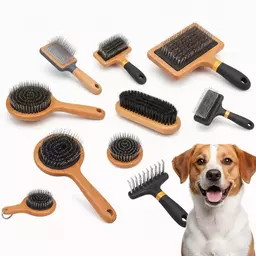
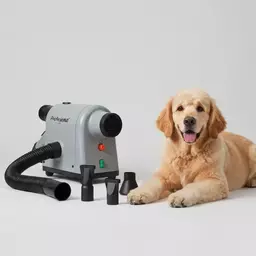
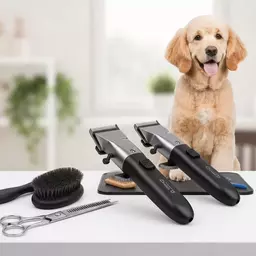
- Invest in the right grooming tools to make the process more effective and enjoyable for both you and your dog.
Dog Coat Structures & Their Grooming Needs
Different dog coat types require specific grooming approaches to maintain health and appearance. This visual outlines common coat types and their associated grooming frequencies and key needs. For a deeper dive into effective cleaning methods, explore dog bathing techniques for all coats.
Grooming Needs by Coat Type
Short Coat (Beagle)
Low maintenance; benefits from regular brushing to remove loose hair and occasional baths.
Long Coat (Shih Tzu)
Frequent daily brushing to prevent tangles and mats, especially in sensitive areas.
Double Coat (Golden Retriever)
Regular brushing and seasonal de-shedding are crucial to manage heavy shedding and matting.
Curly Coat (Poodle)
Consistent grooming to maintain curl texture, prevent matting, and regular trimming.
Wire Coat
Often requires hand-stripping to maintain proper coat texture and health.
Hairless
Needs specialized skin care to prevent dryness, sunburn, and irritation.
The Connection Between Dog Coat Structure and Grooming Needs
Understanding your dog's coat structure is essential for effective grooming. Different dogs have varying coat types, each requiring unique care methods. By recognizing these differences, you can tailor your grooming routine to suit your furry friend’s specific needs. Here’s a breakdown of the most common dog coat types:
- Short Coat: Sleek and low-maintenance, short coats require less grooming but still benefit from regular brushing to remove loose hair.
- Long Coat: These dogs need frequent grooming to prevent tangles and mats, especially in areas like the ears and underbelly.
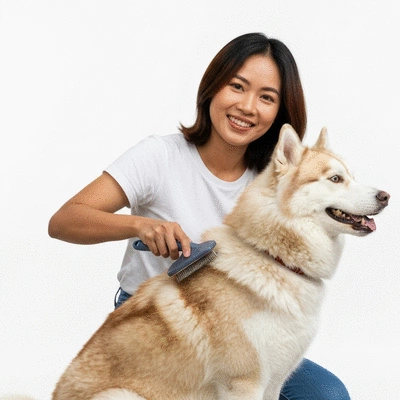
- Double Coat: Dogs with a double coat, like Huskies, experience heavy shedding and require seasonal grooming to manage their undercoat.
- Wire Coat: Generally, these dogs need hand-stripping to keep their coat healthy and properly textured.
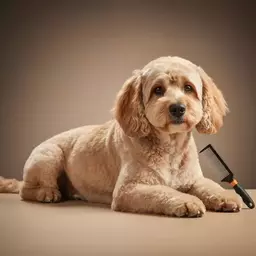
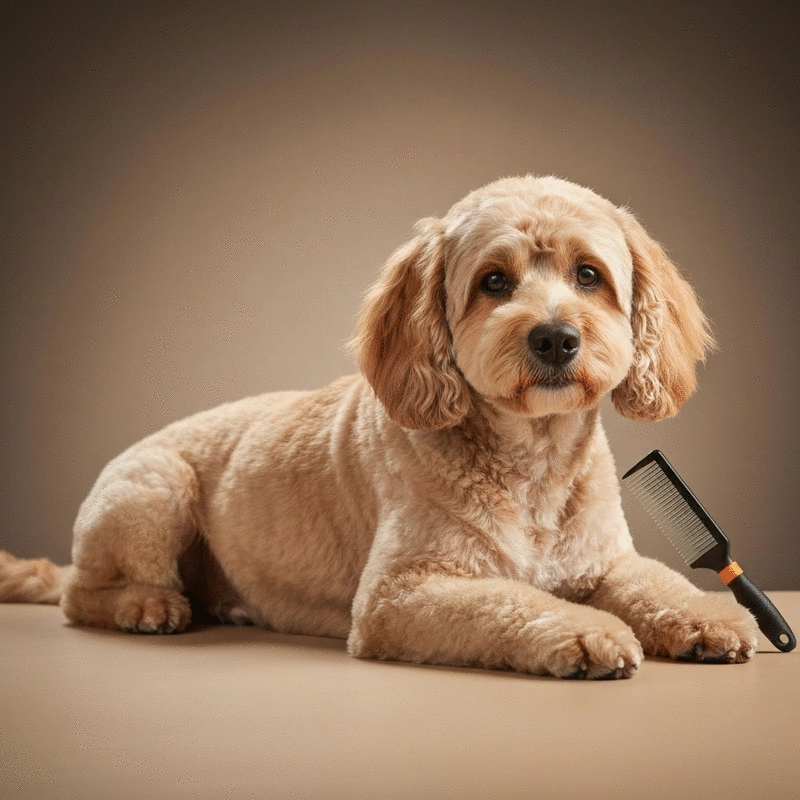
- Curly Coat: Breeds like Poodles require consistent grooming to maintain their curls and avoid matting.
- Hairless: Although they don’t require traditional grooming, hairless breeds still need skin care to avoid dryness and irritation.
Understanding Different Dog Coat Types
Each coat type plays a significant role in how often and in what way you should groom your dog. For instance, short-haired dogs often need less frequent grooming but will still benefit from regular baths. On the other hand, long-haired breeds can experience matting if not brushed out regularly. This is where my experience at The Dog Bath Authority comes into play, as I often guide pet owners on tailored grooming routines.
It's also interesting to note that double-coated dogs will go through periods of heavy shedding, known as "blowing coat," which can lead to fur all over your house! A good grooming schedule during these times can make a big difference. Understanding your dog’s coat type allows you to create a grooming plan that not only keeps them looking good but also feeling great!
Biological Makeup of Dog Coats
Let’s dive a bit deeper into what makes up your dog's coat. A typical dog coat is composed of two primary layers: the guard hairs and the undercoat. The guard hairs are the longer, stiffer hairs that provide protection against the elements, while the undercoat is softer and provides insulation. Understanding the structure is critical because it impacts how we groom. For example, dogs with thick undercoats require specific tools like de-shedding brushes to remove loose fur effectively.
Additionally, it's essential to be aware of the hair growth cycles: anagen (growth), catagen (transition), and telogen (resting). Each phase affects how your grooming routine should be structured. Dogs in the anagen phase might need more frequent grooming to manage their grow-out, while those in the telogen phase may shed more. For effective grooming, using the essential dog grooming tools is crucial.
Common Dog Breeds and Their Coat Structures
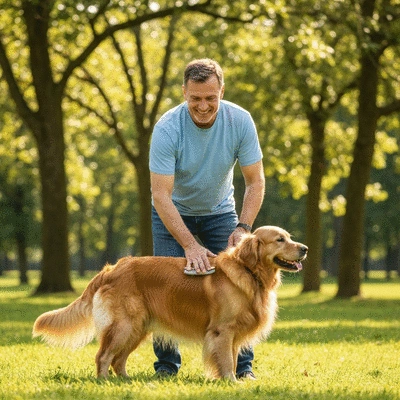
When considering grooming needs, the breed of your dog plays a significant role. Popular breeds like the Golden Retriever have a double coat that requires regular brushing to prevent matting and control shedding. Similarly, the German Shepherd also needs frequent grooming due to its lush undercoat. On the other hand, a Beagle has a short coat requiring less maintenance, making them easier to care for in terms of grooming.
- Golden Retriever: Double coat; regular brushing and seasonal grooming needed.
- German Shepherd: Double coat; heavy shedding; regular grooming is essential.
- Beagle: Short coat; occasional brushing to manage shedding.
- Poodle: Curly coat; regular grooming required to maintain coat texture.
- Shih Tzu: Long coat; daily brushing to prevent tangles and mats.
By understanding these common breeds and their coat types, you can better prepare for what grooming tools and routines you’ll need to implement. This knowledge not only enhances your dog’s appearance but also contributes positively to their overall health and comfort.
Pro Tip
Did you know that the best time to groom your dog is after a bath? Bathing helps loosen any dirt and debris stuck in the coat, making it easier to brush out. Plus, your dog is likely to be more relaxed and cooperative after a soothing bath!
Summarizing the Key Takeaways on Dog Grooming
As we wrap up our discussion, it's crucial to understand how a dog's coat structure directly influences their grooming needs. Different coat types, whether they’re short, long, curly, or hairless, require tailored care techniques to maintain optimal health and appearance. By identifying your dog's specific coat type, you set the foundation for a successful grooming routine that keeps their skin healthy and their coat looking its best!
Remember, grooming is not just about aesthetics; it has a profound impact on your dog's overall well-being. Regular grooming helps prevent issues like matting and skin irritations, which can lead to more serious health concerns. The dog grooming landscape is vast, and understanding these foundational principles is key to effective care.
Encouraging Responsible Grooming Practices
I encourage all dog owners to take a moment to assess their pet's coat type and adopt the recommended grooming practices tailored for it. Whether your dog requires frequent brushing, specific shampoo types, or seasonal grooming adjustments, staying proactive will lead to a happier, healthier pup! Let's face it, a well-groomed dog is a happy dog. For more tips on maintaining a healthy coat, check out our guide on skin microbiome and dog coat health.
- Identify your dog’s coat type to customize grooming.
- Establish a consistent grooming schedule based on shedding patterns.
- Invest in the right tools to make grooming easier and more efficient.
Taking these steps can significantly enhance your dog's coat health and strengthen the bond you share. Remember, grooming time is also quality time!
Engaging with Our Community
At The Dog Bath Authority, we believe in the power of community. I would love to hear about your grooming experiences! What challenges have you faced, and what tips have you found helpful? Don't hesitate to share your stories or ask questions. Your journey can inspire and help others in our dog-loving community.
As we share our insights and experiences, we build a supportive network that emphasizes the importance of proper grooming. Let's ensure our furry friends are always looking and feeling their best!
Frequently Asked Questions on Dog Grooming
To wrap things up, here are some common questions I often receive about dog grooming, along with their answers. This should help clarify any lingering queries you might have:
- How often should I groom my dog? This depends on the coat type. Long-haired breeds may need grooming several times a week, while short-haired dogs may only need a weekly once-over.
- What tools do I need for grooming? Essential tools include a slicker brush, a comb, and a good-quality dog shampoo tailored to your dog's coat type.
- Can I groom my dog at home? Absolutely! With the right knowledge and tools, you can effectively groom your dog at home, making it a bonding experience.
- What is the difference between a guard hair and an undercoat? Guard hairs are the longer, stiffer outer hairs that protect against elements, while the undercoat is softer and provides insulation.
- Why is hand-stripping necessary for wire-coated dogs? Hand-stripping helps maintain the proper texture and health of a wire coat by removing dead hair from the follicle, which encourages new, healthy growth.
- How does a dog's hair growth cycle affect grooming? Understanding the anagen (growth), catagen (transition), and telogen (resting) phases helps tailor grooming frequency. For instance, dogs in the anagen phase may need more frequent grooming to manage growth.
- Can improper grooming harm my dog? Yes, improper grooming can lead to matting, skin irritation, and other health issues. Always use appropriate tools and techniques for your dog's specific coat type.
By addressing these questions, I hope to equip you with the confidence to tackle your dog's grooming needs effectively. Embrace the journey of grooming, and your dog will thank you with wagging tails and happy barks! For those looking to master at-home grooming, consider checking out bathing your dog at home.
Recap of Key Points
Here is a quick recap of the important points discussed in the article:
- Understanding your dog's coat structure is essential for effective grooming.
- Different coat types require tailored grooming techniques, such as frequent brushing for long coats and seasonal grooming for double coats.
- Investing in the right grooming tools can enhance your dog's coat health and make grooming more efficient.
- Establishing a consistent grooming schedule based on shedding patterns is crucial for maintaining coat and skin health.
- Regular grooming is not just about aesthetics; it significantly impacts your dog's overall well-being.