
Did you know that understanding your dog's anxiety during bath time can transform this routine from a source of stress into a bonding experience? As a dedicated pet owner, you have the power to make bath time enjoyable for both you and your furry friend.
What You Will Learn
- Recognize the signs of stress in your dog, such as excessive panting or a tucked tail.
- Understand the common causes of bathing anxiety, including previous trauma and unfamiliar environments.
- Prepare for a calm bathing experience by gathering necessary supplies and setting a routine.
- Utilize positive reinforcement techniques to encourage your dog during bath time.
- Adjust bathing frequency based on your dog's breed, lifestyle, and coat type.
- Consider consulting a professional trainer or groomer if anxiety persists.
Understanding Dog Bathing Frequency and Resistance
This visual summarizes key considerations for dog owners regarding bathing frequency based on breed type and effective strategies for handling resistance during bath time. For more in-depth information on how different techniques can impact your dog's comfort, consider exploring various dog bathing techniques for all coats.
Bathing Frequency Guidance
Short-haired: Every 4-6 weeks
Long-haired: Every 2-4 weeks
Active dogs: May need more frequent baths
Monitor coat & adjust to avoid stripping natural oils.
Handling Bath Time Resistance
Stay Calm: Patience is key to reducing stress.
Positive Reinforcement: Use treats & praise.
Gradual Introduction: Start with short, playful sessions.
Build confidence with small, celebrated victories.
Understanding Your Dog's Bath Time Anxiety
Bath time can be a source of stress for many dogs. As a canine grooming expert, I've seen countless dogs that experience anxiety during this essential routine. Understanding the signs of stress in your dog can help you create a more positive bathing experience. It’s important to recognize behavioral cues that indicate your furry friend might be feeling uncomfortable.
Some dogs may try to hide or escape when they see the bath supplies coming out, while others might whine or shake. Identifying these signs early allows you to address their needs and make adjustments to the bathing process.
Recognizing Signs of Stress in Your Dog
Being aware of your dog’s body language is crucial. Here are some common signs that may indicate your pup is feeling anxious:
- Excessive panting or drooling
- Low tail position or tucked tail
- Averting gaze or turning away
- Whining or barking for attention
These signs can help you gauge your dog’s comfort level. By paying attention to their reactions, you can adapt your approach to make bath time less intimidating.
Why Bath Time Can Be Stressful for Dogs
Bathing is not just about cleaning your dog; it can also be a sensory overload. The sound of running water, the sensation of being wet, and unfamiliar smells from shampoos can all contribute to their anxiety. Dogs, like humans, have unique personalities, and some may be more sensitive to these stimuli. To ensure their comfort, understanding the impact of water temperature on dog baths is crucial.
As a pet owner, it's important to understand that each dog is different. For instance, a dog that has had negative experiences during baths may show more pronounced anxiety. By taking the time to make bath time less stressful, you can transform it into a more enjoyable experience for both you and your pup!
Common Causes of Bathing Anxiety in Dogs
Several factors can contribute to a dog’s anxiety during bath time. Here are some common causes to consider:
- Previous trauma or negative experiences related to water
- Unfamiliarity with the bathing process or environment
- Exposure to loud noises from bath equipment
- Physical discomfort due to temperature or water pressure
By identifying these causes, you can take steps to alleviate your dog's fears. Understanding their background and preferences can significantly impact how they perceive bath time.
Preparing for a Calm and Positive Bathing Experience
Once you understand your dog’s anxiety, the next step is preparation. Getting ready for bath time with the right supplies and environment can make all the difference. With a few simple strategies, you can create a calm atmosphere that sets your dog up for success.
Let’s explore how to gather essential supplies that will help make bath time a breeze!
Pro Tip
To further ease your dog's anxiety during bath time, consider using a calming spray or diffuser with scents like lavender or chamomile. These soothing aromas can help create a tranquil environment, making your pup feel more relaxed and at ease throughout the bathing process.
Frequently Asked Questions About Dog Bath Time Anxiety
What are the common signs of dog bath time anxiety?
Common signs include excessive panting or drooling, a tucked tail, averting gaze, whining, or barking. Some dogs might try to hide or escape.
Why do some dogs get anxious during baths?
Bath time can be a sensory overload due to the sound of running water, the sensation of being wet, unfamiliar shampoo smells, previous negative experiences, or unfamiliar environments.
How often should I bathe my dog?
Bathing frequency depends on breed, lifestyle, and coat type. Short-haired breeds typically need baths every 4-6 weeks, while long-haired breeds may need them every 2-4 weeks. Active dogs might require more frequent baths.
What is positive reinforcement, and how can I use it during bath time?
Positive reinforcement involves rewarding desired behaviors with treats, praise, or affection. During bath time, use it to encourage your dog to enter the bathing area, tolerate water, and celebrate small victories.
When should I consult a professional for my dog's bath time anxiety?
If your dog consistently struggles with severe anxiety despite your best efforts, it's advisable to consult a professional trainer or groomer. They can offer personalized strategies and specialized techniques.
Summarizing Essential Steps for a Stress-Free Dog Bath
Creating a successful bath time experience for your dog doesn’t have to be overwhelming! Establishing a routine that works for both you and your furry friend is key. By sticking to a consistent bathing schedule, your dog will become more familiar and comfortable with the process. Let’s dive into some essential steps to make bath time a breeze!
- Set a regular bath schedule based on your dog's breed and coat type.
- Gather all necessary supplies beforehand to avoid interruptions.
- Incorporate calming techniques before, during, and after the bath.
As I always say at The Dog Bath Authority, preparation is half the battle won! By taking these steps, you can ensure that your dog associates bath time with comfort and care rather than stress.
Creating a Routine That Works for You and Your Dog
When it comes to establishing a bath routine, consistency is crucial! Dogs thrive on predictability, so aim for a specific day and time each week. This regular schedule helps to reduce anxiety because your dog knows what to expect. Don’t forget to keep track of your dog’s coat condition! For example, long-haired breeds may require more frequent baths compared to short-haired dogs.
- Identify the best day of the week for bath time.
- Encourage positive associations with bath time through rewards.
- Remain patient and flexible if your dog needs more time to adjust.
By sticking to a routine, you’ll build trust with your pup, making bath time a more enjoyable experience for both of you!
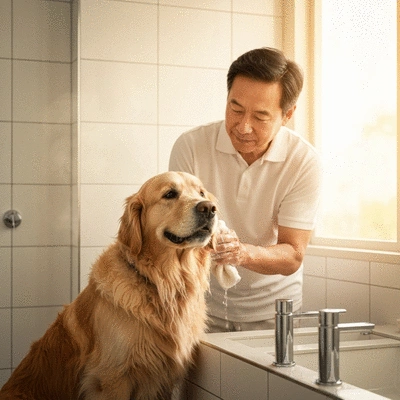
How to Handle Resistance and Build Confidence
It’s not uncommon for dogs to resist bath time, which can lead to frustration for pet owners. One effective way to handle resistance is to stay calm and patient. If your dog is showing signs of stress, take a step back and allow them to relax before proceeding. Positive reinforcement is your best friend here! Use treats and praise to encourage your dog to enter the bathing area.
- Start with short, playful sessions around the bathing area.
- Gradually introduce water in a controlled manner.
- Celebrate small victories with treats and affection.
By gently encouraging your dog and celebrating small steps, you’ll help them gain confidence. This not only makes bath time easier but also strengthens your bond!
Understanding Bathing Frequency for Different Dogs
One of the most common questions I receive is how often should you bathe your dog? Bathing frequency largely depends on the breed, lifestyle, and coat type. Here’s a quick reference to help guide you:
- Short-haired breeds: Generally, every 4-6 weeks.
- Long-haired breeds: Every 2-4 weeks, depending on matting and dirt.
- Active dogs: More frequent baths may be necessary based on outdoor activities.
Always remember that over-bathing can strip natural oils, so finding the right balance is essential. As your trusted resource at The Dog Bath Authority, I recommend monitoring your dog's coat and adjusting the bathing schedule as needed! For tips on maintaining a healthy coat between baths, check out our guide on skin microbiome and dog coat health.
Encouraging a Positive Bathing Relationship
Building a positive bathing relationship with your dog can enhance the overall experience. This not only reduces anxiety but also creates an opportunity for bonding. As you develop a routine, consider enlisting the help of a professional trainer or groomer if necessary. Let’s look at how you can further cultivate this relationship!
When to Consult a Professional Trainer or Groomer
Sometimes, despite our best efforts, some dogs may need extra help to overcome their bathing fears. If your dog continues to struggle with anxiety during bath time, it might be time to consult a professional trainer or groomer. They can offer personalized strategies based on your dog's specific needs!
- Look for trainers who specialize in positive reinforcement techniques.
- Professional groomers can provide insights on effective bathing strategies, considering tools like those detailed in our grooming tools for different coats guide.
Recap of Key Points
Here is a quick recap of the important points discussed in the article:
- Recognize signs of stress in your dog during bath time, such as excessive panting and a tucked tail.
- Understand common causes of bathing anxiety, including previous trauma and sensory overload.
- Establish a consistent bathing routine to help your dog feel more secure and comfortable.
- Use positive reinforcement techniques to encourage your dog and reduce resistance during baths.
- Consult a professional trainer or groomer if your dog continues to struggle with bath time anxiety.