
Did you know that understanding your dog's coat type can significantly enhance their grooming experience? Whether you're a seasoned dog owner or just starting your journey, recognizing the unique needs of double-coated and curly-coated breeds is essential for their health and comfort.
What You Will Learn
- Double-coated dogs have a two-layered fur structure, essential for temperature regulation.
- Regular grooming is crucial for double-coated breeds to prevent skin issues and mats, particularly during shedding seasons.
- Curly-coated dogs require specialized grooming tools like slicker brushes to maintain their unique texture and prevent matting.
- Understanding the specific grooming needs of popular breeds can enhance your dog's comfort and health.
Understanding Dog Coat Types: Double-Coated vs. Curly-Coated
This visual compares the key characteristics and grooming needs of double-coated and curly-coated dogs to highlight their unique differences.
Double-Coated Dogs
Characterized by two distinct layers: a dense undercoat for insulation and a protective outer coat.
- Structure: Two layers (undercoat & outer coat)
- Shedding: Seasonal, often twice a year
- Matting Risk: High if neglected, especially undercoat
- Function: Natural insulation & element protection
Grooming Needs:
- Regular brushing (undercoat rake)
- Frequent deshedding
Curly-Coated Dogs
Features tight curls that require specialized grooming to maintain texture and health.
- Structure: Single layer of tight curls
- Shedding: Less shedding, trapped hair in curls
- Matting Risk: High if not consistently groomed
- Function: Traps dirt/moisture, unique texture
Grooming Needs:
- Gentle brushing (slicker brush)
- Regular trims & moisturizing products
Understanding Coat Types: Double-Coated vs. Curly-Coated Dogs
As a devoted canine grooming expert at The Dog Bath Authority, I often encounter dog owners wondering about the best grooming practices for their pets. Understanding your dog's coat type is crucial for effective grooming. In this section, we’ll dive into the differences between double-coated and curly-coated dogs, their unique characteristics, and the grooming needs that come with each type.
Defining Double-Coated Dogs
Double-coated dogs are known for their two-layered fur structure: a soft undercoat that provides insulation and a coarser outer coat that protects against the elements. This combination is essential for their temperature regulation. Common examples include breeds like the Siberian Husky, Golden Retriever, and German Shepherd. Understanding their coat is the first step in ensuring they receive the appropriate care!
Characteristics of Double Coats
- Two distinct layers: a dense undercoat and a protective outer coat.
- Shedding occurs seasonally, often twice a year.
- Requires specific grooming techniques to manage both layers effectively.
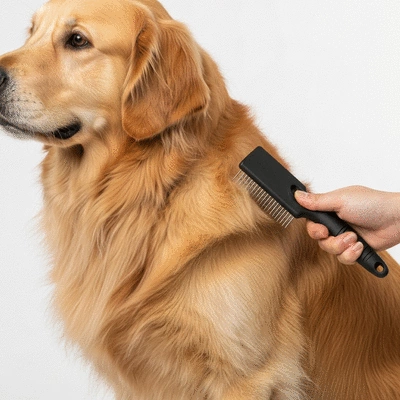
The double coat serves as a natural insulator, allowing these dogs to thrive in various climates. However, this also means they need regular grooming to keep their coats healthy and free of mats. Skipping this can lead to skin issues and discomfort, which we definitely want to avoid! To learn more about how coat structure impacts grooming, read our detailed guide.
Common Breeds and Their Grooming Needs
Some popular double-coated breeds include the Shiba Inu, Akita, and Bernese Mountain Dog. Each of these breeds has specific grooming needs that you should consider:
- Regular brushing to remove loose fur and prevent matting.
- Bathing with gentle shampoos tailored to their skin type.
- Frequent check-ups for skin health, especially during shedding seasons.
By understanding these needs, you can tailor your grooming routine, maximizing your dog's comfort and health as you work through their coat!
Exploring Curly-Coated Dogs
Curly-coated dogs, as the name suggests, feature tight curls that offer a unique texture and prominent aesthetic. Breeds such as the Poodle, Curly-Coated Retriever, and Irish Water Spaniel are prime examples. Their curly fur not only looks adorable but also requires specialized grooming techniques to keep them healthy and stylish.
Features of Curly Coats
- Tight curls that trap moisture and dirt, requiring regular upkeep.
- Less shedding compared to double-coated breeds.
- Potential for matting if not consistently groomed.
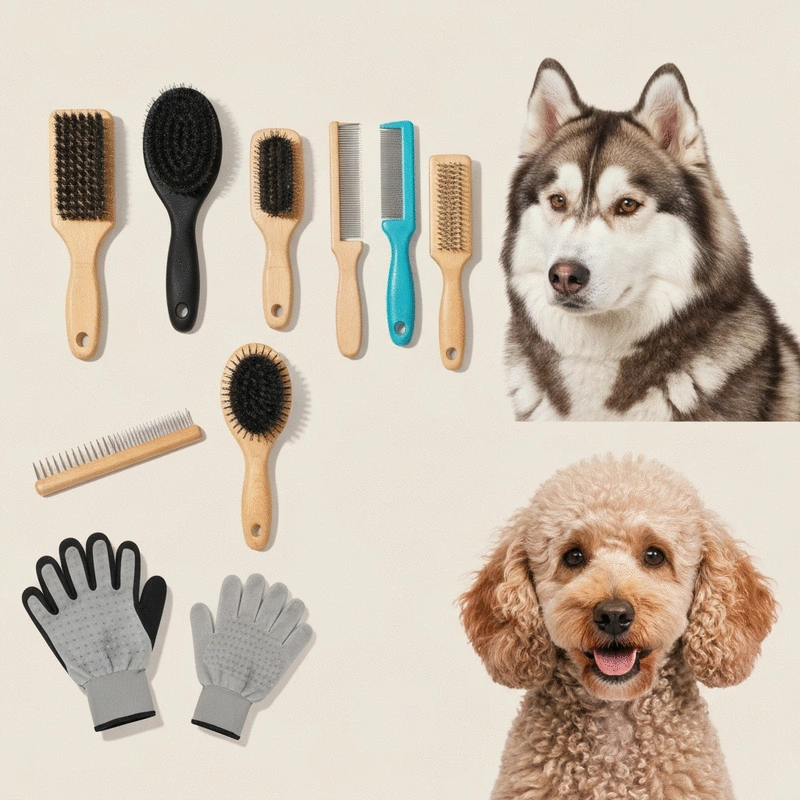
The curliness of their coats means these dogs can hold onto dirt and moisture more easily, making routine grooming essential. A well-maintained curly coat not only looks great but also serves to keep their skin healthy! For a deeper dive into essential tools, check out our essential dog grooming tools guide.
Popular Breeds Requiring Specific Grooming Tools
Many curly-coated breeds have very specific grooming requirements. For instance, the Poodle and Curly-Coated Retriever need:
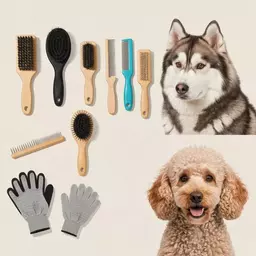
- Slicker brushes to detangle and remove loose hair.
- High-quality conditioners that hydrate their curls.
- Regular trims to maintain the coat shape and prevent matting.
By using the right tools and techniques, you can ensure your curly-coated dog remains comfortable and stylish, reducing grooming struggles over time!
Interactive Poll: What's Your Grooming Routine?
We'd love to hear from you! How often do you groom your dog based on their coat type? Share your experience with us:
Frequently Asked Questions (FAQs)
What is the main difference between double-coated and curly-coated dogs?
Double-coated dogs have two layers of fur: a dense undercoat for insulation and a coarser outer coat for protection. Curly-coated dogs, on the other hand, have a single layer of tight curls that require specialized grooming to prevent matting and maintain texture.
Why is regular grooming important for double-coated dogs?
Regular grooming is crucial for double-coated dogs to prevent matting, especially in their dense undercoat, and to remove loose fur. This helps with temperature regulation, prevents skin issues, and promotes overall coat health, particularly during seasonal shedding.
What are the best grooming tools for curly-coated dogs?
For curly-coated dogs, essential grooming tools include slicker brushes for detangling without damaging curls, high-quality conditioners to hydrate their coats, and regular trims to maintain coat shape and prevent matting.
Do curly-coated dogs shed less than double-coated dogs?
Yes, curly-coated dogs generally shed less than double-coated breeds. Their tight curls often trap loose hair, which requires consistent brushing to remove and prevent matting, rather than falling out around the home.
Can I use the same grooming techniques for all dog coat types?
No, grooming techniques should be tailored to your dog's specific coat type. Double-coated dogs benefit from undercoat rakes and deshedding tools, while curly-coated dogs require slicker brushes, gentle techniques, and moisturizing products to maintain their unique texture and prevent matting.
Essential Grooming Techniques for Different Coat Types
Brushing Techniques for Double-Coated Dogs
When it comes to grooming double-coated dogs, understanding the right brushing techniques is crucial. These breeds, with their two-layered coats, require specific methods to effectively remove loose hair and prevent matting. I recommend starting with a quality undercoat rake to reach the dense underlayer and remove any dead fur. This step is essential, especially during shedding seasons, as it helps keep your dog's coat healthy and well-maintained.
- Use an undercoat rake for deep brushing.
- Follow up with a slicker brush for the topcoat.
- Be gentle around sensitive areas like the belly and ears.
Timing is also vital in your grooming routine. Aim to brush your double-coated dog at least once a week, but increase frequency during shedding periods. This not only keeps their coat looking great but also strengthens your bond with your furry friend. Remember, a calm environment makes a big difference—put on some soothing music or offer treats as rewards!
Recommended Tools: Undercoat Rakes and Beyond
Choosing the right tools can significantly impact your grooming experience. Here’s a list of must-have tools for double-coated dogs:
- Undercoat rake
- Slicker brush
- Deshedding tool
- High-quality shampoo
Using these tools correctly ensures that grooming time is effective and enjoyable for both you and your dog. With the right approach, you can keep their coat healthy and free from tangles or irritation.
Grooming Curly-Coated Dogs: Tools and Methods
For curly-coated breeds, grooming involves a different set of techniques and tools. The uniqueness of their coats requires a careful approach to maintain the beautiful curls while preventing matting. One vital tool is a slicker brush, which helps detangle without damaging the curls. The key is to brush gently and regularly to keep their coat in top shape!
Slicker Brushes and Their Importance
Slicker brushes are indispensable for curly-coated dogs due to their ability to reach the undercoat without pulling on the curls too harshly. Here’s how to effectively use them:
- Brush in sections, starting from the tips and working your way up.
- Use short, gentle strokes to avoid tugging.
- Pay special attention to areas prone to tangling, like behind the ears and under the legs.
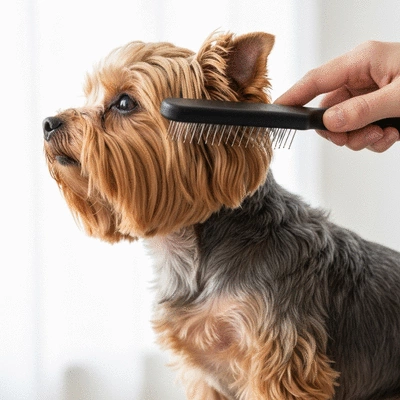
This method not only helps maintain the curls but also encourages healthy skin by distributing natural oils throughout the coat. Plus, it turns grooming into a bonding experience—your dog will appreciate the gentle touch! To further enhance your grooming routine, consider exploring our article on grooming brushes for dog coats.
Maintaining Healthy Curls: Bathing and Drying Techniques
Bathing and drying are just as important as brushing when it comes to curly-coated dogs. Use a moisturizing shampoo specifically designed for their coat type, as it helps keep their curls hydrated and defines the curl pattern. After bathing, avoid rubbing them dry with a towel; instead, try gently blotting with a soft towel or using a pet dryer on a low setting.
Here’s a quick recap of the steps:
- Use a moisturizing shampoo and conditioner.
- Gently blot dry rather than rubbing.
- Consider a leave-in conditioner for added moisture.
By incorporating these techniques into your grooming routine, you can ensure that your curly companion’s coat remains vibrant and healthy. Remember, regular grooming not only prevents matting but also keeps their skin healthy and comfortable! For more tips on bathing techniques, check out our guide on dog bathing techniques for all coats.
Recap of Key Points
Here is a quick recap of the important points discussed in the article:
- Double-coated dogs have a soft undercoat and a coarser outer coat, requiring regular grooming to prevent matting and skin issues.
- Common double-coated breeds include Siberian Huskies, Golden Retrievers, and German Shepherds, all needing specific grooming techniques.
- Curly-coated dogs, like Poodles and Curly-Coated Retrievers, require different grooming tools and methods to maintain their unique curl patterns.
- Using the right grooming tools, such as undercoat rakes for double-coated dogs and slicker brushes for curly-coated dogs, is essential for effective grooming.
- Regular grooming not only keeps dogs looking their best but also promotes their overall health and comfort.