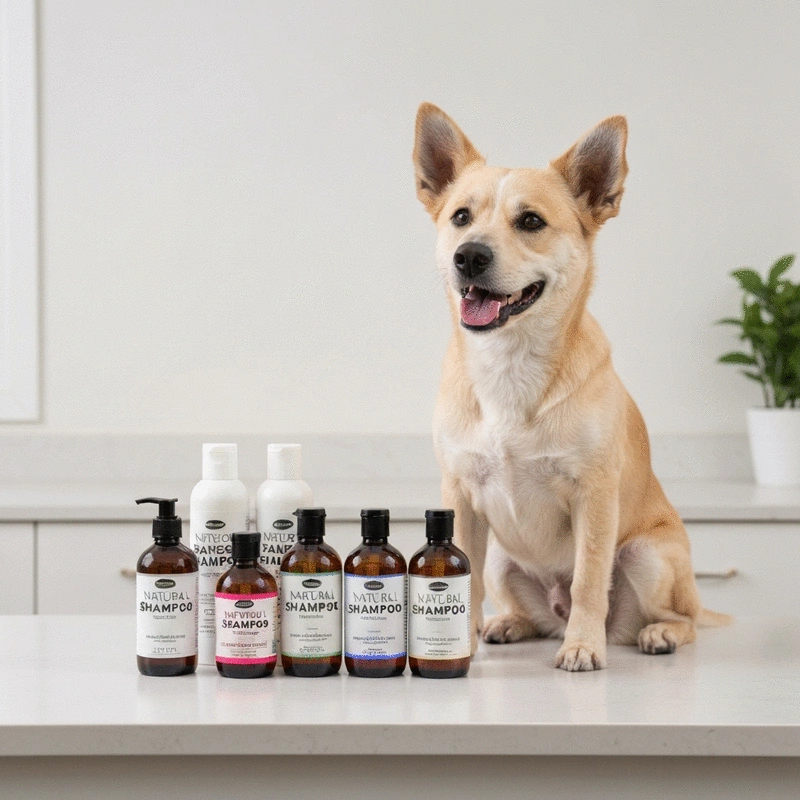
What if the secret to your dog’s health lies in the shampoo you use? Understanding the chemistry behind dog shampoos is crucial for every pet owner. Here’s what you will learn to ensure your furry friend enjoys a clean and healthy coat!
What You Will Learn
- Choosing the right dog shampoo is essential for maintaining the health of your dog's skin and coat.
- Understanding surfactants helps you select shampoos that effectively clean without irritating your dog’s sensitive skin.
- Maintaining the correct pH level in dog shampoos is vital to avoid skin irritation and ensure coat health.
- Identifying beneficial ingredients, such as aloe vera and oatmeal, can enhance your dog's grooming routine.
- Avoiding harmful chemicals like sulfates and parabens is crucial for your dog’s safety and well-being.
- Reading labels carefully can prevent purchasing products that contain hidden dangers or misleading claims.
- Understanding the specific needs of different coat types allows for better shampoo selection tailored to your dog.
Dog Shampoo Chemistry: Key Factors and Ingredients
Understanding the science behind dog shampoos ensures a healthier coat and skin for your dog. This visual outlines critical factors, beneficial ingredients, and those to avoid.
Key Factors in Dog Shampoo Formulation
- Surfactants: Reduce water surface tension, lift dirt.
- Conditioners: Soften fur, ease management.
- pH Levels: Maintain skin balance (Canine pH 6.2-7.4).
Ingredients To Look For
- Aloe Vera: Soothes irritated skin.
- Oatmeal: Calms itchy skin.
- Natural Oils: Lavender, Chamomile for skin health.
Ingredients To Avoid
- Artificial Fragrances: Can cause allergies.
- Sulfates: Strip natural oils.
- Parabens: Potential hormonal disruptors.
Natural vs. Synthetic
- Natural: Gentler, effective for sensitive skin.
- Synthetic: Enhance performance, but can cause sensitivities.
Reading Labels: Key Terms
- Hypoallergenic: Reduces allergic reactions.
- Dermatologist Tested: No guarantee for all dogs.
- "Natural": Verify ingredient list.
Understanding Dog Shampoo Chemistry: The Basics You Need to Know
When it comes to keeping our furry friends clean and healthy, understanding the chemistry of dog shampoo is essential. Many dog owners may not realize that the shampoo they choose can significantly impact their pet's skin and coat health. Let's dive into the basics of how dog shampoo works and what makes it effective!
Dog shampoo is specifically formulated to cater to the unique needs of canine skin and fur. Unlike human shampoos, which can be harsh and cause irritation, dog shampoos are designed to maintain the delicate balance of oils in your dog's coat while effectively removing dirt and debris. By understanding the ingredients and their functions, you can make informed choices that benefit your pup. For further guidance on maintaining your dog's coat, explore our article on Skin Microbiome and Dog Coat Health.
What is Dog Shampoo and How Does It Work?
At its core, dog shampoo is a cleansing agent that removes dirt, oils, and odors from your dog's coat. This cleansing is achieved through a process involving surfactants, which are the active ingredients responsible for breaking down and lifting away grime.
- Surfactants: These are key in any shampoo, as they reduce the surface tension of water, allowing it to spread and penetrate the coat more effectively.
- Conditioners: Many shampoos also include conditioning agents that help to soften the fur and make it easier to manage.
- Fragrance and Essential Oils: While these add a pleasant scent, they can also provide additional benefits, like soothing the skin.
By choosing the right dog shampoo, you can ensure that your dog enjoys a clean, healthy coat without the risk of irritation or damage. It’s all about understanding what works best for their specific needs!
Breaking Down Surfactants: The Key Ingredient in Dog Shampoo
Surfactants are vital in any dog shampoo because they effectively lift dirt and oil from the skin and coat. They work by surrounding dirt particles, allowing them to be rinsed away easily with water. There are different types of surfactants, such as anionic, cationic, and nonionic, each with its own benefits and drawbacks.
For example, anionic surfactants are highly effective at removing dirt but can be harsh on sensitive skin. On the other hand, nonionic surfactants are gentler and often used in formulations for dogs with skin sensitivities. Knowing which surfactants are in your dog's shampoo will help you choose products that are both effective and safe!
How pH Levels Affect Your Dog's Skin and Coat Health
The pH level of dog shampoos is another critical aspect to consider. Canine skin typically has a pH of around 6.2 to 7.4, which is more neutral compared to human skin. Using a shampoo with a pH level that matches your dog's skin is essential to avoid irritation and maintain the natural protective barrier of their coat.
- Neutral pH: Shampoos with a pH close to 7 help maintain skin balance.
- Acidic Shampoos: These can be useful for dogs with certain skin conditions but should be used cautiously.
- Alkaline Shampoos: Typically too harsh for dogs and can lead to dryness or skin irritation.
Choosing a shampoo with the right pH can make a huge difference in your dog's comfort and health. Always look for products that specify their pH levels!
Common Ingredients in Dog Shampoo: What You Should Know
When browsing for the perfect dog shampoo, it’s important to know what goes into it. The right ingredients can enhance your dog's coat and skin health, while the wrong ones can lead to irritation or even allergic reactions.
Let’s explore some common ingredients found in dog shampoos and what they mean for your pet!
Essential Ingredients to Look for in Dog Shampoos
- Aloe Vera: Known for its soothing properties, it can help calm irritated skin.
- Oatmeal: A common ingredient in hypoallergenic shampoos, oatmeal can be soothing for itchy skin.
- Essential Oils: Natural oils like lavender and chamomile can help with skin health and provide a calming effect.
By looking for shampoos that include these beneficial ingredients, you can enhance your dog’s overall grooming routine and promote better skin and coat health! For more information on selecting the best shampoo for different coat types, check out our guide on Selecting Dog Shampoo for Coats.
Ingredients to Avoid: Identifying Toxic Chemicals in Dog Shampoo
Just as there are beneficial ingredients, there are also some harmful ones to avoid! Here are a few toxic chemicals that should not be in your dog's shampoo:
- Artificial Fragrances: These can cause allergic reactions and irritate your dog's skin.
- Sulfates: Common in many cleaning products, sulfates can strip the natural oils from your dog's coat.
- Parabens: Used as preservatives, they can disrupt hormonal balance and may be harmful in the long run.
Always read the label carefully and steer clear of shampoos that contain these ingredients. Your dog’s health is worth the extra effort!
The Role of Natural Ingredients vs. Synthetic Ingredients in Dog Shampoo
The debate between natural and synthetic ingredients in dog shampoos is ongoing. While natural ingredients are often perceived as safer and more effective, synthetic compounds can also play important roles in formulation.
- Natural Ingredients: Often gentler, these can be highly effective, especially for dogs with sensitive skin.
- Synthetic Ingredients: These can enhance performance and stability but may cause sensitivities in some dogs.
Ultimately, it’s about finding a balance that works for your dog's unique needs. Consider your dog's skin type and any sensitivities they may have when selecting a shampoo!
The Natural vs. Conventional Debate: What’s the Difference?
As a dog grooming expert, I often get asked about the differences between natural and conventional shampoos. It can be confusing for pet owners, so let’s break it down!
Understanding “Natural” Shampoos: Are They Truly Safer?
Many brands tout their products as "natural," but it’s essential to understand what that means. Natural shampoos typically contain plant-based ingredients and avoid harsh chemicals.
- Benefits: Often gentler on the skin and less likely to cause irritation.
- Limitations: May not be as effective against certain issues like severe fleas or skin infections.
While natural shampoos can be safe, it’s essential to do your research and ensure the product is formulated to address your dog's specific grooming needs.
Greenwashing in the Pet Care Industry: What to Watch For
Unfortunately, not all products labeled as "natural" or "organic" live up to their claims. Greenwashing—a marketing tactic where products falsely claim to be environmentally friendly—can mislead pet owners.
- Research Brands: Look for transparency in ingredient sourcing and formulation.
- Check Certifications: Verified organic certifications can indicate a higher level of trust.
Stay informed and skeptical of marketing claims to ensure you’re making the best choices for your dog!
Reading Dog Shampoo Labels: A Step-by-Step Guide
Understanding how to read dog shampoo labels can empower you to make better choices for your furry friend. With so many products on the market, being informed is key!
Decoding Common Terms and Claims on Shampoo Packaging
Labels can sometimes be misleading, so knowing how to interpret common terms can help you choose the best product. Here are some phrases you might encounter:
- Hypoallergenic: Products claiming to be hypoallergenic are formulated to reduce allergic reactions but may not be suitable for all dogs.
- Dermatologist Tested: While this sounds reassuring, it doesn’t guarantee safety for your specific dog.
- Made with Natural Ingredients: It’s vital to check the ingredient list to confirm how many natural ingredients are actually included.
Taking the time to learn about these terms can prevent you from falling for marketing gimmicks and ensure you choose safe products!
How to Identify Hidden Dangers in Dog Shampoo Ingredients
Not all harmful ingredients are clearly labeled, so it’s essential to know what to look for. Here are tips to spot potential dangers:
- Read the Ingredients List: Ingredients are listed in order of quantity, so check the first few items.
- Watch for Unfamiliar Names: If you can’t pronounce it, research it to determine its safety.
- Look for Certifications: Products that are certified organic or cruelty-free often adhere to strict ingredient standards.
By becoming familiar with the ingredients to avoid, you can protect your dog from harmful chemicals!
Understanding the Ingredients List: Knowing What’s Best for Your Dog
Ultimately, knowing how to read the ingredients list is crucial. Look for transparency and avoid products with long lists of unrecognizable ingredients.
- Shorter Ingredient Lists: Generally indicate a more straightforward formulation.
- Recognizable Ingredients: Familiarity with items on the list can give you confidence in the product.
By being vigilant, you can select shampoos that are both effective and safe for your beloved canine companion!
Formulating the Right Shampoo for Your Dog’s Needs
Understanding your dog’s specific coat type and skin health is essential when choosing the right shampoo. Different formulations cater to different needs, and I want to help you navigate these choices!
Why Different Coat Types Require Different Formulations
Not all dogs are created equal, especially when it comes to their coats! Here’s how coat types influence shampoo selection:
- Long-Haired Breeds: They may benefit from shampoos with added moisture to prevent tangling.
- Short-Haired Breeds: Often require more frequent bathing, so a gentle, cleansing formula is ideal.
- Curly Coats: These may need specialized shampoos to enhance curl definition while moisturizing.
By understanding your dog's coat, you can choose a shampoo that meets their unique grooming needs!
Choosing Between Medicated, Whitening, or Deep Cleansing Shampoos
Sometimes, your dog may require a specific type of shampoo, such as:
- Medicated Shampoos: These are used for treating skin conditions, so consult your vet to find the right one!
- Whitening Shampoos: Ideal for light-colored breeds, they can help enhance the coat's natural brightness.
- Deep Cleansing Shampoos: These can effectively remove built-up oils and dirt but should be used sparingly to avoid stripping essential oils.
Knowing the differences can help you select the best product for your dog's specific needs!
Incorporating Conditioning Agents and Moisturizers for Optimal Coat Care
For the best results, consider shampoos that incorporate conditioning agents and moisturizers. These ingredients can significantly enhance coat health!
- Conditioning Agents: Help to detangle and smooth the fur, making grooming easier.
- Moisturizers: Essential for keeping the skin hydrated and preventing dryness.
By choosing a shampoo that combines cleansing with conditioning, you can ensure your dog's coat stays healthy and beautiful! For techniques that complement appropriate shampoo choices, consider reading about Dog Bathing Tips for Healthy Skin.
Interactive Poll: Your Shampoo Choice!
What type of dog shampoo do you prefer for your furry friend? Let us know your thoughts:
Frequently Asked Questions About Dog Shampoo Chemistry
Q: Why is understanding dog shampoo chemistry important?
A: Understanding dog shampoo chemistry is crucial because the shampoo you choose directly impacts your dog's skin and coat health. Knowing the ingredients and their functions allows you to make informed decisions, preventing irritation and promoting a healthy coat.
Q: What are surfactants and why are they important in dog shampoo?
A: Surfactants are active ingredients in shampoo that reduce the surface tension of water, helping it to spread and penetrate the coat effectively. They work by surrounding dirt particles, allowing them to be easily rinsed away, thus cleansing the coat and skin.
Q: What is the ideal pH level for dog shampoo?
A: Canine skin typically has a pH between 6.2 and 7.4. It's essential to use shampoos with a pH level that matches this range to avoid skin irritation and maintain the natural protective barrier of your dog's skin and coat.
Q: Which ingredients should I look for in a dog shampoo?
A: Look for beneficial ingredients like aloe vera (for soothing irritated skin), oatmeal (for calming itchy skin), and natural oils such as lavender and chamomile (for skin health and calming effects). These ingredients can enhance your dog's grooming routine.
Q: What harmful ingredients should I avoid in dog shampoo?
A: Avoid artificial fragrances, which can cause allergic reactions; sulfates, which strip natural oils from the coat; and parabens, which are preservatives that can disrupt hormonal balance. Always read labels carefully to steer clear of these substances.
Q: What does "hypoallergenic" mean on a dog shampoo label?
A: "Hypoallergenic" means the product is formulated to reduce allergic reactions. However, it doesn't guarantee suitability for all dogs, as individual sensitivities vary. It's best for dogs with known skin sensitivities.
Summarizing Your Dog Shampoo Choices: Making Informed Decisions
Choosing the right shampoo for your furry friend can feel overwhelming, but it doesn’t have to be! At The Dog Bath Authority, we believe that making informed decisions is key to ensuring your dog’s skin and coat health. Here are some key takeaways to help you navigate the world of dog shampoos.
Key Takeaways on Choosing the Right Shampoo for Your Dog
When selecting a shampoo, consider your dog’s specific needs. Not all shampoos are created equal, and what works for one dog may not work for another. Here are some essential tips:
- Know Your Dog's Coat Type: Whether your dog has a curly coat, a short coat, or something in between, choose a product designed for their specific type.
- Look for Safe Ingredients: Ensure the shampoo is free from harmful chemicals, parabens, and sulfates.
- Consult with Your Vet: Always check with your veterinarian, especially if your dog has skin conditions or sensitivities.
By following these pointers, you can select a shampoo that is both safe and effective. It’s about finding the right balance for your beloved pet!
How to Ensure Your Dog’s Shampoo is Safe and Effective
To choose a safe shampoo, it’s important to read the label carefully. Look for products that highlight natural ingredients and avoid harsh additives. Additionally, consider the following:
- Allergies: Check for ingredients that may trigger allergies in your dog.
- pH Balance: Ensure the shampoo has a pH level that aligns with your dog’s skin to avoid irritation.
- Reviews: Look for products with positive feedback from other dog owners.
These steps will help you find a shampoo that promotes a healthy, shiny coat!
Understanding Hypoallergenic Formulas for Dogs with Skin Sensitivity
For dogs with skin sensitivities, hypoallergenic formulas can be a lifesaver. These shampoos are designed to minimize allergic reactions and are often free from common irritants. Here’s what to keep in mind:
- Simple Ingredients: Choose shampoos with fewer ingredients to reduce the risk of irritation.
- Fragrance-Free Options: Opt for unscented products, as fragrances can sometimes aggravate sensitive skin.
- Dermatologist-Recommended: Look for products endorsed by veterinarians or dermatologists for additional peace of mind.
By selecting the right products, you can help keep your dog comfortable and healthy!
Taking Action: Steps to Ensure Your Dog’s Skin and Coat Health
Taking proactive steps in your dog’s grooming routine can significantly improve their coat and skin health. I always advise pet owners to be diligent and informed.
Consulting with Professionals: When to Seek Expert Advice
If you notice any unusual changes in your dog’s skin or coat, don’t hesitate to reach out to a professional groomer or veterinarian. They can provide tailored advice and suggest suitable shampoos based on your dog’s specific needs.
Sharing Your Experiences: How Feedback Can Influence Better Products
As part of our community at The Dog Bath Authority, your experiences matter! Sharing feedback about different shampoos helps other dog owners make informed choices. Plus, it encourages manufacturers to improve their products for our furry friends!
Exploring Consumer Reviews and Product Comparisons for Informed Choices
Before making a purchase, take the time to explore consumer reviews and product comparisons. Websites and forums dedicated to pet care often provide valuable insights into the effectiveness of various shampoos. Here are some tips for effective research:
- Look for Verified Purchases: Reviews from verified buyers tend to be more trustworthy.
- Compare Ingredients: Check the ingredient lists against what you’ve learned about safe and effective products.
- Watch for Trends: If many users report similar issues, it’s worth considering.
By doing your homework, you’ll feel more confident in your shampoo choice!
Recap of Key Points
Here is a quick recap of the important points discussed in the article:
- Choose the Right Shampoo: Consider your dog's specific coat type and skin needs to select the most suitable shampoo.
- Avoid Harmful Ingredients: Stay clear of shampoos containing artificial fragrances, sulfates, and parabens that could irritate your dog's skin.
- Balance pH Levels: Look for shampoos with a pH level close to your dog's skin (6.2 to 7.4) to maintain skin health.
- Consult Your Vet: If your dog has skin sensitivities or conditions, always check with your veterinarian for the best shampoo recommendations.
- Read Labels Carefully: Familiarize yourself with common terms and ensure transparency in ingredient lists to make informed decisions.