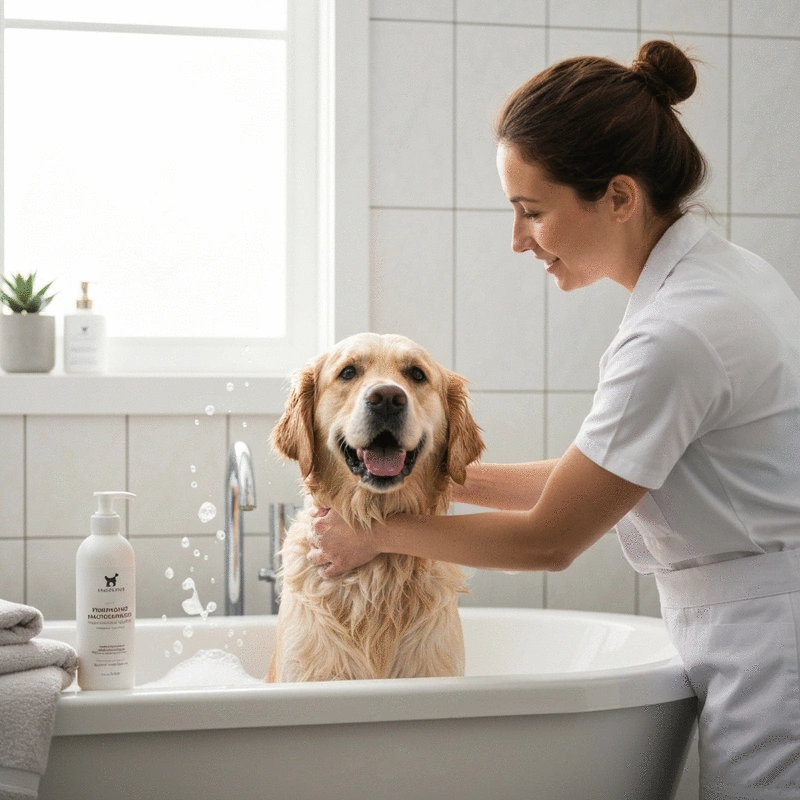

As we dive into the world of dog bathing, consider this: Regular grooming isn't just about cleanliness; it plays a pivotal role in your dog's overall skin health. By embracing a consistent bathing routine, you can significantly improve your furry friend's well-being. Let's explore some essential insights that every dog owner should know!
What You Will Learn
- Regular dog bathing removes dirt, allergens, and dead skin, helping to maintain a healthier coat and skin.
- Frequent bathing may not lead to dry skin; a dog's unique needs should dictate their bathing schedule.
- Understanding specific skin conditions can help tailor your dog's bathing routine for better skin health.
- Choosing the right shampoo and establishing a consistent bathing routine are vital for optimal skin health.
- Regular monitoring of your dog's skin can lead to early detection of potential issues, ensuring their comfort and health.
The Dog Bath Authority: Skin Health & Bathing Best Practices
This visual outlines key aspects of dog bathing for skin health, common misconceptions, and the importance of professional consultation.
Reasons Regular Bathing Matters
- ✓ Removes dirt & allergens
- ✓ Prevents irritations & infections
- ✓ Stimulates blood circulation
- ✓ Maintains skin pH balance
Common Bathing Misconceptions
- ✗ Myth: All dogs bathed monthly
- ✗ Myth: Too often strips natural oils
- ✗ Myth: Only dirty dogs need baths
Skin Conditions Impacting Bathing
- ● Allergies: Special shampoos
- ● Dermatitis: Medicated baths
- ● Infections: Specific treatments
Expert Tips for Effective Bathing
- ✓ Choose right shampoo
- ✓ Consistent schedule
- ✓ Brush before bathing
- ✓ Use lukewarm water
Importance of Vet Consults
- ● Early detection of issues
- ● Tailored advice & treatments
- ● Persistent problems: Pet dermatologist
Understanding the Importance of Dog Bathing for Healthy Skin
At The Dog Bath Authority, we believe that regular dog bathing is crucial for maintaining your furry friend's skin health. Did you know that bathing does more than just keep your dog clean? It helps to remove dirt, allergens, and dead skin, promoting a healthier coat and skin! In this section, we'll explore why regular bathing matters, debunk some common myths, and delve into how different skin conditions affect your dog's bathing routine.
Why Regular Dog Bathing Matters for Skin Health
Bathing your dog regularly can significantly impact their skin and coat health. It helps to keep their skin hydrated and minimizes the risk of infections. Here are some key benefits of regular dog bathing:
- Removes dirt and allergens from the coat
- Prevents skin irritations and infections
- Stimulates blood circulation through gentle scrubbing
- Maintains a healthy skin pH balance
By incorporating regular baths into your dog's grooming routine, you're not only enhancing their appearance but also contributing to their overall well-being. Remember, a clean dog is a happy dog! For more detailed guidance on bathing techniques, explore our article on dog bathing techniques for all coats.
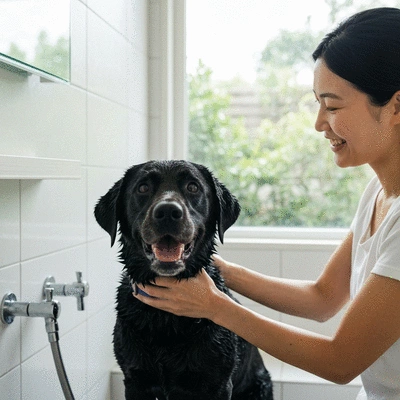
Common Misconceptions About Dog Bath Frequency
One of the most significant challenges I see as a grooming expert is the confusion around how often to bathe your dog. Many owners think that frequent bathing can lead to dry skin, but this isn't always the case. Depending on the breed, coat type, and lifestyle, some dogs may require more frequent baths than others. Here are some common misconceptions:
- Myth: All dogs should be bathed once a month.
- Myth: Bathing too often will strip natural oils.
- Myth: Only dirty dogs need baths.
It's essential to assess your dog's individual needs. Each dog is unique, and factors like their activity level, skin condition, and coat type will help determine the best bathing schedule.
Exploring Dog Skin Conditions and Their Impact on Bathing
Understanding various skin conditions is vital when it comes to establishing a bathing routine. Certain conditions, such as allergies, dermatitis, or infections, may require specific bathing practices or products. For instance, dogs with sensitive skin might benefit from hypoallergenic shampoos or less frequent baths.
- Allergies: May require special shampoos to soothe irritation.
- Dermatitis: Sometimes needs medicated baths depending on severity.
- Fungal or bacterial infections: Often require specific treatments and less frequent washing.
By recognizing these issues, you can tailor your bathing regimen to support your dog's skin health effectively. Regular monitoring can help you catch any skin problems early, ensuring your dog stays comfortable and healthy. Understanding the importance of skin microbiome and dog coat health can further enhance your approach to their care.
Pro Tip
Did you know? Customizing your dog’s bathing routine based on their specific skin condition can lead to better outcomes. For instance, if your dog has allergies, using a soothing, hypoallergenic shampoo can help alleviate irritation and promote healthier skin. Always consult your vet for tailored recommendations!
Frequently Asked Questions About Dog Bathing and Skin Health
Q1: How often should I bathe my dog?
A1: The ideal bathing frequency depends on your dog's breed, coat type, lifestyle, and skin condition. There's no one-size-fits-all answer. Some dogs may need baths every few weeks, while others might only need them every few months. Consult your vet or a professional groomer for a personalized recommendation.
Q2: Will frequent bathing strip my dog's natural oils?
A2: This is a common misconception. While using harsh shampoos or bathing excessively without proper products can strip natural oils, using appropriate dog-specific shampoos and conditioners, and following a suitable schedule, will generally not harm your dog's skin or coat. In fact, regular bathing can help maintain skin hydration and health.
Q3: What kind of shampoo should I use for my dog?
A3: Always use a shampoo specifically formulated for dogs. Human shampoos have a different pH balance and can irritate your dog's skin. If your dog has specific skin conditions like allergies or dermatitis, your vet might recommend medicated or hypoallergenic shampoos. For general bathing, a gentle, moisturizing dog shampoo is usually best.
Q4: How can I tell if my dog has a skin condition that affects bathing?
A4: Look for signs such as excessive scratching, redness, flakiness, bumps, hair loss, or a foul odor from the skin. If you notice any of these symptoms, it's best to consult your veterinarian. They can diagnose the condition and recommend a tailored bathing routine or treatment plan.
Q5: When should I consider consulting a pet dermatologist?
A5: If your dog experiences persistent or severe skin issues that don't improve with general veterinary care or prescribed treatments, a pet dermatologist can offer specialized expertise. They can perform advanced diagnostics to pinpoint the root cause of complex skin problems and develop more targeted treatment strategies.
Summarizing Key Takeaways for Dog Bathing and Skin Health
As we've explored the ins and outs of dog bathing and its profound impact on skin health, let's recap the essential tips that I believe every dog owner should remember. Regular bathing, using the right products, and understanding your dog's unique needs are crucial steps to ensure their skin remains healthy and vibrant. A consistent routine not only promotes cleanliness but also fosters a deeper bond between you and your furry friend!
Here are some expert tips for effective dog bathing:
- Choose the right shampoo based on your dog's skin type and coat.
- Establish a consistent bathing schedule tailored to your dog's needs.
- Always brush your dog before bathing to remove knots and loose hair.
- Utilize lukewarm water to avoid stripping natural oils.
These practices are vital in maintaining your dog's overall skin health. By implementing these tips, you can help your dog look and feel their best!

Encouraging Routine Skin Health Monitoring and Vet Consults
Monitoring your dog's skin health should be part of your regular care routine. Look out for any changes in texture, color, or any signs of irritation. Keeping a close eye on their skin can lead to early detection of potential issues, making it easier to address before they escalate.
Regular vet check-ups are equally important. Discuss any concerns or changes in your dog's skin with your veterinarian, who can provide you with tailored advice and recommend appropriate treatments when necessary. Together, we can ensure our dogs lead happy, healthy lives!
Importance of Consulting a Pet Dermatologist for Ongoing Issues
If your dog exhibits persistent skin problems, seeking out a pet dermatologist could be a game-changer. These specialists can pinpoint the root causes of skin conditions, which may not always be evident during a standard vet visit. Their focused expertise helps in providing tailored treatment plans that can alleviate your dog's discomfort and improve their quality of life. For advice on choosing the appropriate products, consider our guide on selecting dog shampoo for coats.
Always remember, your dog's skin health is a reflection of their overall well-being. Investing time and resources into expert consultations can save you from bigger issues down the line!
Engaging with the Dog Bathing Community
At The Dog Bath Authority, I believe in the power of community and shared knowledge. Engaging with fellow dog owners can lead to valuable insights and tips for improving our bathing techniques and skin health practices. By sharing our experiences, we can learn from one another and enhance the care we provide to our furry companions!
Inviting Readers to Share Their Bathing Experiences and Tips
I would love to hear your stories about bath time! What strategies have worked well for you and your dog? Did you encounter any challenges along the way? Sharing your experiences can help others in our community discover new methods and avoid common pitfalls.
Feel free to leave a comment below or connect with us on social media. Let’s turn bathing into a fun and enriching experience for all our dogs!
Providing Resources for Further Learning and Support
For those of you eager to dive deeper into the world of dog grooming and skin health, there are plenty of resources available. From online guides to instructional videos, the wealth of information can empower you to provide the best care for your pup.
Consider exploring our website for articles, product comparisons, and expert insights tailored specifically to your dog’s needs. Knowledge is power, and I’m here to help!
Connecting with Dog Grooming Blogs and Pet Care Guides
Connecting with other dog grooming blogs and pet care guides can open up a treasure trove of information and support. By staying engaged with reputable sources, you can stay updated on the latest trends and best practices in dog grooming.
Don’t hesitate to reach out to fellow dog owners and industry experts. Together, we can create a network of support that will benefit all dogs and their owners alike!
Recap of Key Points
Here is a quick recap of the important points discussed in the article:
- Regular dog bathing is essential for maintaining skin health and preventing infections.
- Understand your dog's unique needs to determine the appropriate bathing frequency.
- Use the right shampoo based on your dog's specific skin type and conditions.
- Always brush your dog before bathing to remove loose hair and knots.
- Monitor your dog's skin health regularly and consult a veterinarian for any concerns.
- Engage with the dog bathing community for shared tips and experiences.